Why Does My Sink or Shower Drain Keep Clogging?
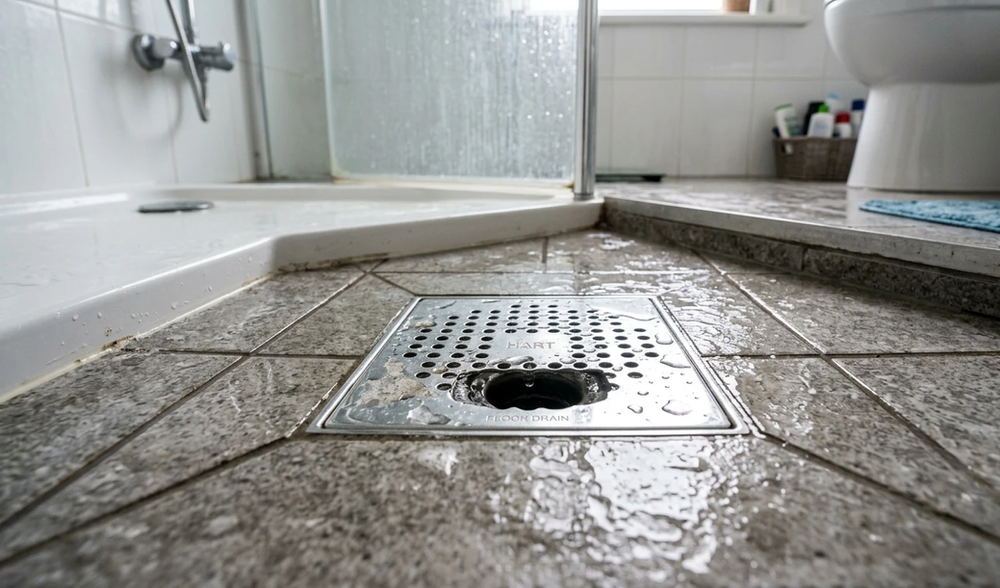
Many homeowners experience one of the most common plumbing issues: a clogged sink or shower drain. A blocked drain typically is not a big problem; however, if it happens frequently, then it can be an inconvenience and a sign that there is a problem in your plumbing system. If you are constantly using a plunger or drain cleaner, then it is time to get to know the issue.
Knowing the most common reasons drains keep clogging can help you take preventative measures and determine when it is appropriate to contact professional plumbers for assistance. In many cases, proper maintenance and timely drain cleaning can help keep your plumbing system operating efficiently.
Hair Buildup in Shower Drains
Hair is one of the leading reasons for clogged shower drains. Loose hair can get in the shower and eventually build up in the pipes each time one showers.
With time, hair mixes with:
Soap residue
Shampoo deposits
Conditioner buildup
Dirt and debris
This can lead to a hardened blockage that reduces the flow of water and ultimately results in water remaining in the shower.
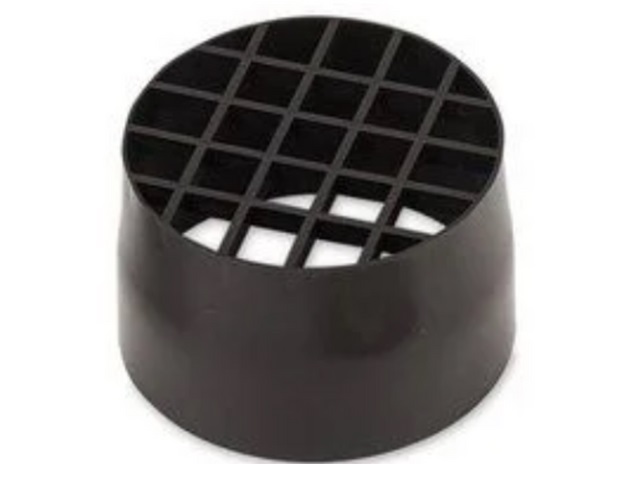
Regular drain cleaning may be necessary, but regular drain covers can help minimize the amount of hair that gets into the plumbing system.
Soap Scum Accumulation
Most people are not aware of the fact that soap can be a major cause of drain clogging. Soaps used traditionally may contain fats and minerals, which tend to leave residue in pipes.
As this residue builds up, it can:
Make the opening of the pipe smaller
Catch hair and other dirt
Restrict water flow
This causes a progressive loss of drainage, which can cause frequent clogs.
Grease and Food Waste in Kitchen Sinks
Grease and food debris are especially known to clog kitchen sinks.
Common culprits include:
Cooking oils
Grease
Coffee grounds
Food scraps
Starchy foods
Grease can look like a fluid when thrown down the drain, but it can solidify in the pipes. The more debris that builds up, the larger and harder it will be to remove the blockage.
Professional plumbers suggest that it is best to get rid of grease in a separate container instead of washing it down the sink.
Foreign Objects Entering the Drain
Sometimes recurring clogs result from items that accidentally enter the plumbing system.
Examples include:
- Cotton swabs
- Dental floss
- Paper products
- Jewellery
- Small toys
- Personal hygiene items
These items might not obstruct the pipe right away but can cause a point where debris starts to pile up and cause a problem to occur again.
Mineral Buildup in Pipes
In hard water areas, mineral deposits can form within the plumbing system. Over time, calcium and magnesium may build up on the inside of pipes.
This buildup can:
- Reduce pipe diameter
- Restrict water flow
- Increase the chances of clogs
This type of blockage is especially common in older plumbing systems.
Professional drain cleaning in Upper Hutt can help to address mineral buildup and restore flows as well.
Tree Root Intrusion
If several drains in your home are clogging regularly, it could be a bigger problem than your drain clogs.
Tree roots will always gravitate towards any moisture and may penetrate sewer pipes with the smallest of joints or cracks. Roots then grow within and may limit the flow of wastewater.
Some symptoms of root problems can include:
Frequent drain backups
Gurgling sounds
Lots of slow drains around the house
Sewer odors
Pipe Damage or Deterioration
As the plumbing system ages, pipes can start to have structural issues, which may lead to more frequent clogs.
Potential issues include:
Corrosion
Cracks
Collapsed sections
Misaligned connections
Damaged pipes are more likely to trap debris, which can cause blockage issues all year long and that can make it difficult to clean the pipes properly in the first place.
A professional plumber will be able to examine the system and will be able to identify if the system requires any pipe repairs.
Improper Drain Slope
Plumbing pipes have a slope to them that ensures the flow of wastewater to the sewer system.
Water flow speed through pipes may be reduced if the slope is not correct because of installation problems or changes in ground conditions. This can make it more difficult for debris to settle and accumulate.
Even when one uses the drains properly, the recurring clogs can happen over a period of time.
Flushing Inappropriate Materials
Toilets and drains are intended for specific wastes. It is possible for flushing or washing inappropriate materials to lead to recurrent plumbing problems.
Common offenders include:
Wet wipes
Paper towels
Feminine hygiene products
Cotton balls
Excessive toilet paper
Sewer Line Problems
If the water builds up in the sink or shower on a regular basis, it may be caused by a problem in the main sewer line.
Indications of sewer issues are:
Multiple clogged fixtures
Backups may be found in lower level drains
Water coming from unusual sources
Strong sewage odors
Sewer systems are complicated, so it is frequently essential to hire a professional plumber to safely diagnose and fix the problem.
When to Call a Professional Plumber
Some minor clogs are easy to resolve in the home, but others aren’t.
Reach out to the professionals if you notice any of the following
- Frequent recurring clogs
- Multiple blocked drains
- Persistent sewer odors
- Water backups
- Poor drainage even after cleaning
A professional inspection will reveal problems, which may not be apparent on the surface.
Final thoughts
Hair, soap scum, grease, mineral deposits, foreign objects, pipe damage, or sewer line problems are the most common causes of recurring sink and shower drain clogs. If blockages happen more than once, it will likely be an underlying problem.
Knowing the reasons for such water drainage issues can assist householders in taking preventative steps and keeping their plumbing systems healthy. If recurring problems continue, you can call in the professional plumbers in Upper Hutt to have a comprehensive checkup and professional drain cleaning service to keep the drains working and prevent future problems.
Most Read