How to Choose the Right Dryer Vent Hood and Installation Parts
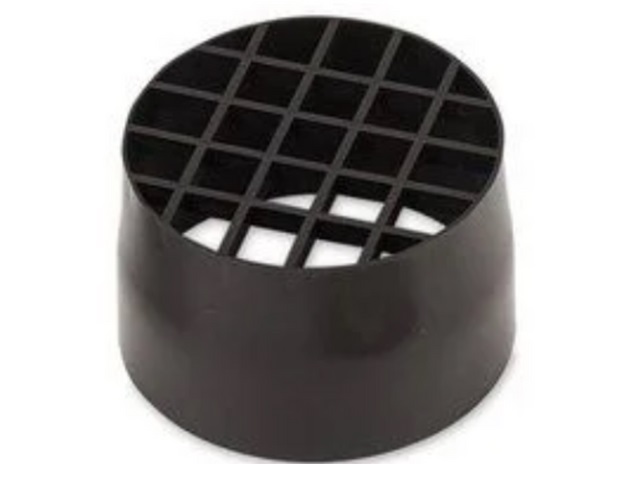
A properly functioning dryer vent system is essential for the safety, efficiency, and performance of your clothes dryer. Many people are interested in the dryer, but they are missing the venting parts that are crucial in getting moisture, lint, and heat out of the house. The right dryer hood vent and accessory package can enhance your dryer system’s performance as well as air flow and minimize maintenance problems.
There are different styles, connectors, and installation parts of vent hoods, so it is crucial to know what to take into account before choosing one. Appropriate and long-lasting parts can help design a venting system that will run for years.
Why Dryer Vent Components Matter
Warm air and moisture are emitted from the dryer every time it is used, and these gases need to be dispersed outside. If not provided with a good venting system, moisture can condense, airflow can be limited, and lint can collect within ductwork.
The vent hood is the outside end of the vent system. It helps to keep rain, debris, and pests out of the duct while permitting air to flow.
The installation parts, such as connectors and dryer adapters, contribute to proper dryer-to-vent connections, ensuring the dryer operates without any disruption.
Dryer Vent Hoods
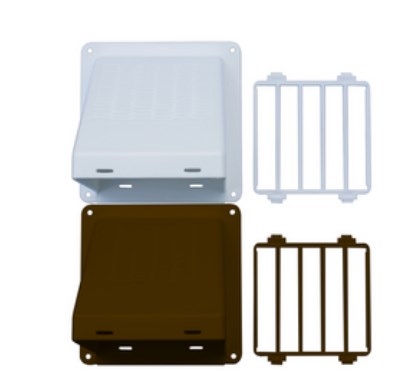
A dryer hood vent is fitted on the exterior wall or roof at the point of the dryer duct leaving the building. Its main purpose is to enable exhaust air to escape from the house and keep outside contaminants around the vent opening.
Various types of vent hoods are available, such as:
- Flapper vent hoods
- Low-profile vent hoods
- Roof vent hoods
- Pest-resistant vent hoods
The designs have different benefits based on the location and the needs of the installation.
Consider Airflow Performance
One of the most important factors when selecting a dryer hood vent is airflow.
The vent hood should not restrict the flow of air from the ductwork system. Limited air flow can extend drying cycles and put undue stress on the dryer.
Consider vent hood designs that:
- Open wide when operating.
- Minimize airflow restrictions
- Allow efficient moisture removal
- Lock when not in use.
A properly designed vent hood helps in keeping the airflow consistent and maintaining the functioning of the overall system.
Choose Durable Materials
Dryer vents are subjected to all elements of their environment, which include changing weather conditions, moisture, and temperature fluctuation. The use of high-quality materials can help to prolong the lifespan of the vent system.
Common materials include:
- Aluminum
- Galvanized steel
- Stainless steel
- UV-resistant plastic
The local weather conditions and the vent location are factors to consider when selecting a dryer hood vent. Materials that are durable will perform better if they are used for the long term outdoors.
Prevent Pest Entry
A common worry for homeowners is keeping the vent system free of bird, insect, and small animal entry.
To discourage pests from entering while allowing proper airflow, many modern vent hoods have features built in that inhibit their entry.
These features can include:
- Protective covers
- Integrated screens
- Specialized flap designs
However, the screens must be carefully chosen, as some of them may catch lint and may block the air circulation on the wrong maintenance.
Select the Proper Vent Hood Size
The vent hoods are available in different sizes to fit different dryer duct diameters. The vent hood must be the same size as the vent pipe of your system. Often, dryer vent diameters in homes are 4 inches in diameter, but always ask about compatibility.
The right size ensures proper ventilation and easy installation.
The Role of Dryer Adapters
A dryer adapter is one of the essential parts for installation that can facilitate the connection between different vent sections or facilitate the change between configurations.
Adapters can be useful when:
- Upgrading to new venting systems
- Assembling a ductwork system from various duct types
- Installing in tight spaces and locations
- Modifications to existing vent configurations
The right choice of adapter ensures a safe and efficient connection between system parts.
Consider Installation Space
Not all dryer installations are the same. Many laundry facilities are compact behind the dryer, and it is not easy to connect.
Where such is the case, specialized components and the correct choice of dryer adapter may be employed to make a more compact and effective venting scheme.
Carefully consult the space and determine any potential risks to installation before buying installation parts.
Consult with current ventilating systems for compatibility
Care should be taken to ensure that any vent components replaced or upgraded are compatible with the existing ductwork.
Consider:
- Duct diameter
- Vent material
- Connector type
- Installation location
When choosing components, compatibility will make installation easier and prevent potential airflow problems.
Focus on Secure Connections
Sloppy fits or gaps may let lint and moisture out to other areas. While this may impact system efficiency and maintenance, it can help prevent issues.
Quality installation parts should give:
- Secure attachment points
- Tight-fitting connections
- Durable construction
- Reliable long-term performance
The use of a dryer adapter that has been properly installed is beneficial in ensuring the uniform flow of air and reduction in leakage.
Think About Maintenance Requirements
There are different hood designs that require more maintenance than others.
When selecting a dryer hood vent, keep in mind that it will be easy to:
- Check vent opening for any blockages.
- Remove debris
- Check flap operation
- Clean accumulated lint
Easy to access designs can sometimes make routine maintenance easier and ensure long-term performance.
Weather Protection Matters
Exterior vent hoods are susceptible to precipitation, wind, snow, and litter. If the hood needs to be vented outdoors to the elements, design a hood that will resist the weather.
Some good features to have are:
- Weather-resistant materials
- Secure closure mechanisms
- Durable construction
- Water-shedding designs
Good weather protection can minimize the risk of moisture infiltrating the ductwork.
Final thoughts
Selecting the right dryer hood vent and its components is a crucial part of designing an effective and reliable dryer vent system. When choosing venting products, factors to consider include ease of maintenance, weather protection, durability of the product, compatibility, and airflow.
Plus, the right dryer adapter can help in the certain connection and smooth flow of the system. Taking the time to find the proper components can help optimize dryer performance, ensure good ventilation and create an extended system that can last for a long time.
Most Read