Can Laser Tattoo Removal Remove Coloured Tattoos?
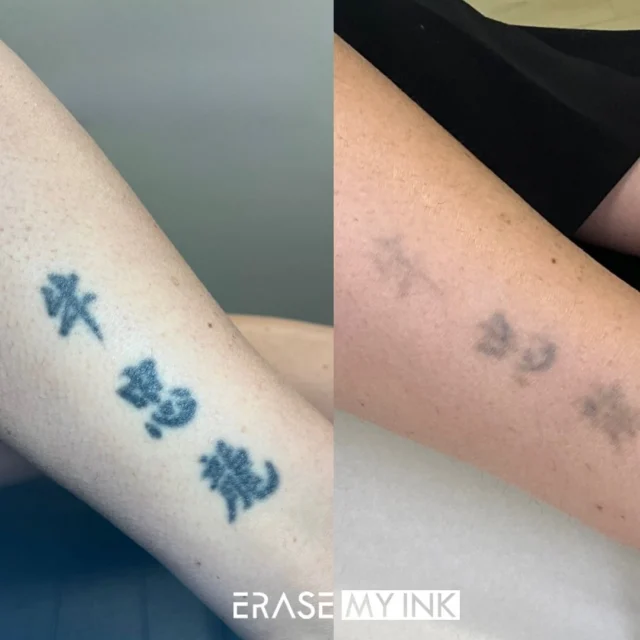
Coloured tattoos can be a beautiful way to express creativity, personal memories, or individual style. However, as preferences change, you may decide that a tattoo no longer suits you. If you have a tattoo with bright colours such as red, blue, green, yellow, or anything else, you might be interested in removing the tattoo entirely, but you may be wondering if laser tattoo removal can get rid of the bright tattoo completely.
The great thing about laser tattoo removal is that it can remove numerous different coloured tattoo inks; however, the type of laser used, skin colour and the colours of the tattoo ink will all play a role in the results of the laser tattoo removal. Some colours are more receptive to treatment than others. Knowing what to expect can help you choose a realistic idea of what to expect if you begin your removal journey.
How Does Laser Tattoo Removal Work on Coloured Ink?
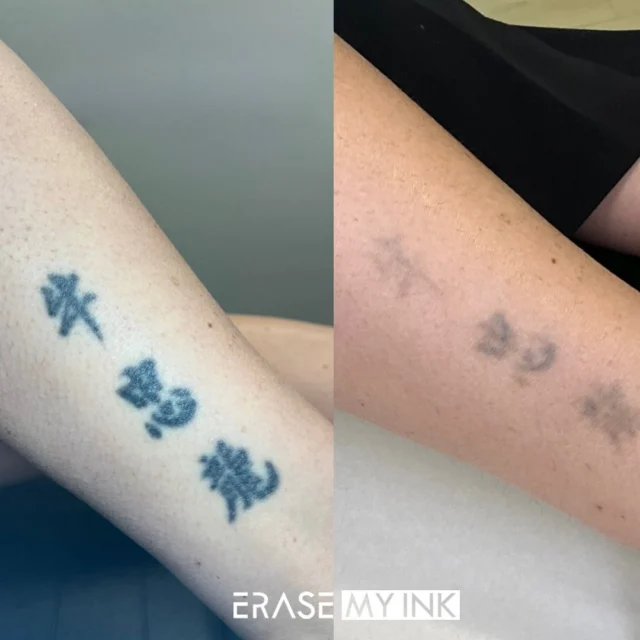
Laser tattoo removal is a procedure that involves focusing the energy of light into the tattoo ink below the skin’s surface. The laser’s pulse of energy shreds the ink particles into smaller pieces. Over time these particles are slowly expelled from your body naturally.
Each tattoo colour absorbs a different wavelength of light. This means that a good setting for black ink doesn’t necessarily apply to red, green, or blue ink.
This is why coloured tattoos may need a more personalized approach to their treatment. A laser specialist will evaluate the tattoo and decide on the laser technology and wavelength that can possibly be used to remove the tattoo ink.
Which Tattoo Colours Can Be Removed?
Laser tattoo removal is not effective for all tattoos due to the pigments used in it. Let’s take a look at the typical response of some common colours when treated.
Black Tattoo Ink
Studies show that black is one of the simpler colours to remove from tattoos using the laser. It absorbs a wide spectrum of laser wavelengths, making it effective for commonly used tattoo removal lasers.
The number of sessions needed, though, will vary depending on the density of the ink, the size of the tattoo, and the depth of the tattooing.
Red Tattoo Ink
Certain laser wavelengths may be effective with red pigments. Some red inks contain pigments that absorb certain wavelengths of light more effectively than others.
Some red colours may need special treatment depending on their formulation. Seeing a consultation will help you decide which is appropriate for your tattoo.
Blue and Green Tattoo Ink
It is more difficult to get rid of blue and green inks than black ink tattoos. But with the development of laser technology, a number of these pigments have been targeted.
Certain blue and green tones will need to be treated at different wavelengths, and some may need other treatment settings. Actual outcomes can vary from person to person and depend on the mixture of the ink used.
Yellow, Orange, Other Light Colours
Some light colours such as yellow, orange, and some pastels may be more challenging to treat. Certain of these colours are not very absorptive of commonly used laser wavelengths.
White ink can also create certain problems. Sometimes, it can turn darker in the short- or long-term after exposure to the laser due to changes in the pigments.
These colours should be carefully evaluated by a specialist prior to treatment to discuss with them possible outcomes and risks.
How Many Sessions Are Needed for Coloured Tattoos?
The number of sessions it takes to fade a coloured tattoo varies depending on the individual and the amount of pigment in the tattoo. A few tattoos may begin to fade after some treatments and will need additional treatments of laser tattoo removal to become completely erased.
The number of sessions may depend on several factors, such as:
- Ink colour and composition: Some colours give off more energy when hit by the laser.
- Tattoo size: Tattoos can be size dependent, as larger tattoos will need more treatment time.
- The depth of the ink – deep inks may take longer to break down.
- Tattoo age: Older tattoos may have already faded to some extent.
- Skin tone: Your skin colour and how you react to the treatment can affect your treatment plan.
- Tattoo density: This will depend on how dense the tattoo is, as heavily saturated tattoos might need more sessions.
Usually, treatments are administered several weeks apart so the skin can recover and the body can absorb the broken down ink particles.
Is Laser Tattoo Removal Safe for Coloured Tattoos?
When performed by a qualified and experienced professional, laser tattoo removal in Hamilton can be a suitable option for reducing unwanted coloured tattoos. However, every treatment carries potential risks.
After treatment, there may be temporary redness, swelling, tenderness, and skin pigmentation changes. There may be blisters or scars in some instances.
Individual assessment is especially important as pigmentation changes may be more likely for individuals with darker skin tones. Also, be aware that it may not be possible to remove the tattoo completely, especially if more than one colour was used or the tattooed area contains resistant pigments.
What Should You Expect During Treatment?
At the consultation appointment your specialist will check your tattoo, determine the colours used, and discuss your skin tone and medical history. They can also talk about what you are hoping to accomplish and the treatment process.
The wavelength of the lasers used in the process may vary depending on the size of the tattoo. Don’t expect to see the pigment go away immediately; it will fade over time as the body metabolizes the broken-down pigment.
Following aftercare instructions is essential. It is important to avoid unnecessary irritation and exposure to sun on the treated area to help support skin recovery.
Final thoughts
Laser tattoo removal can be used to minimize or remove many colour tattoos; however, this will depend on the type of tattoos, the depth of the tattoo, and the individual’s skin tone. Some red and black inks might work well, but some other colours, such as green, blue, yellow, and others, may need more specialized treatment.
A consultation with a professional can help to ensure that you understand your options for removing a coloured tattoo and set realistic expectations. With the right treatment approach and appropriate aftercare, laser tattoo removal in Hamilton may help reduce the appearance of unwanted coloured ink and give you greater confidence in your skin.
Most Read