How Can Crane Hire Make Heavy Lifting Easier?
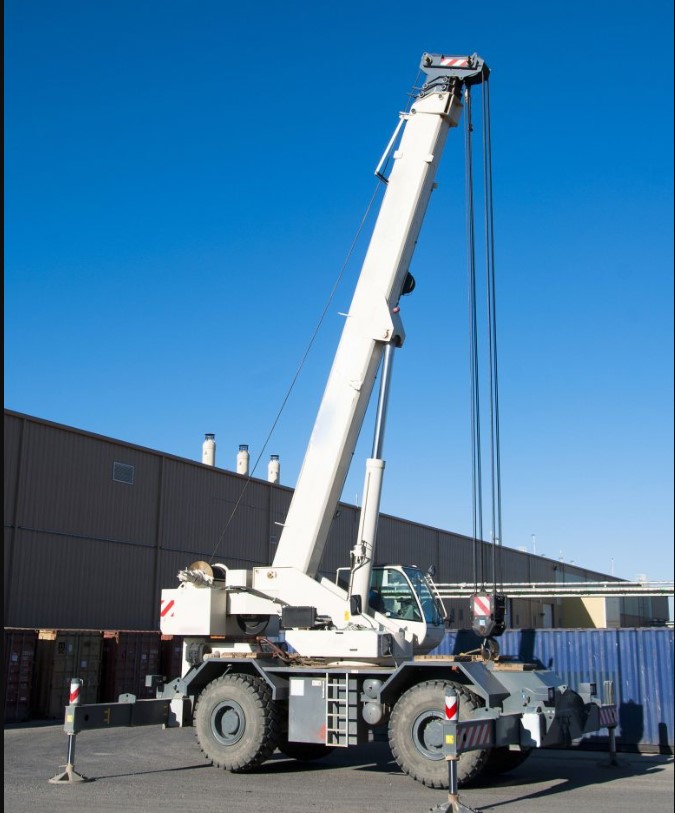
One of the most challenging components of any construction, industrial, or infrastructure project can be heavy lifting. When transporting heavy materials and equipment, the use of manpower is sometimes not enough, especially when items need to be lifted to significant heights or hauled into awkward spots. These tasks will be easier to manage and contribute to an organized and efficient worksite with the right lifting equipment.
Renting cranes enables you to have lifting equipment without investing in buying and maintaining your own crane. However, the use of a crane may be a realistic alternative for carrying heavy loads and allow the crew to complete the project safely and efficiently, depending on the job at hand.
Handle Heavy Loads More Efficiently
There are materials that are too dense or cumbersome to handle. Mechanical lifting equipment may be required to lift construction components, machinery, steelwork, concrete elements, and other large pieces of equipment.
These loads can be lifted and moved with controlled movements by a crane, thus minimizing manual handling. This is especially beneficial when materials must be transported between ground level and elevated areas or positioned within a specific part of a site.
The type of crane needed is determined by the weight, size, height, and location of the load.
Reach Difficult Areas
It is not always easy to transport heavy items at construction sites or industrial premises. Standard lifting techniques may be challenging due to buildings, structures, narrow access points, uneven terrain, etc.
The right crane for the job will be able to reach and lift the load required for a specific job. There are cranes to move from one job site to another, and there are cranes that can be used for an extended period of time at a single site.
Before hiring a crane, consult with the crane hire company to ensure they have the right machine for the conditions and requirements of the lifting site.
Improve Project Efficiency
Appropriate lifting equipment can be used to save time and effort when handling heavy materials. A crane can lift heavier loads in a controlled operation than it would require lifting with a number of workers or smaller pieces of equipment.
This can help make the construction team work more efficiently. Materials may be transported to the appropriate location and placed as part of a designed sequence to continue with other activities without undue delay.
Planning is still a critical component of crane operations, and it is important to consider load weight, lifting routes, site access, and other factors on the worksite.
Reduce the Need to Purchase Equipment
Buying a crane may be a considerable investment, especially for companies that only require heavy lifting equipment from time to time.
Crane hire allows companies to get appropriate equipment and tools for particular projects without the long-term expense of ownership. These may include maintenance, servicing, inspections, and other ownership functions.
For companies with different lifting demands or those that don’t frequently require a crane, hiring may be a viable solution.
Select Equipment for the Job
A particular type of crane is not necessarily required for all lifting projects. Each crane comes in a variety of sizes, capacities, mobility, and operating characteristics.
For instance, in scenarios where equipment must be relocated, a mobile crane might be suitable, whereas other crane types may be more suited to more fixed or specialized lifting applications.
When renting a crane, be sure to consider the load weight, lifting height, working radius, access to the site, ground conditions, and project length. If accurate information is given to the crane hire company, then it will be easier to rent a crane in Hamilton.
Support Safer Lifting Practices
When lifting heavy, it is important to have proper planning and equipment. Applying an appropriate crane for such conditions and loads can help facilitate a more controlled lift.
Refer to relevant safety requirements and manufacturer’s instructions. Before lifting loads, they should be assessed, and the lifting area should be managed to minimize the risks to workers and others on site.
Professional crane hire companies can also advise businesses about the equipment requirements and factors to consider prior to the start of the lifting operation.
Make Short-Term Projects More Practical
Not all projects require the use of lifting equipment. A crane may be needed for a short period of time for a short construction job, installation of machinery, structural repair, or one-off lifting task.
When this is the case, hiring a crane will enable businesses to schedule access to the appropriate lifting equipment for the designated period. This can help to give you more flexibility if you need to change your project requirements or if you only need to lift heavy things during certain phases.
Final thoughts
Having the proper equipment to perform heavy lifting tasks is important. A crane can carry heavy loads, access hard-to-reach areas, enhance project performance, and eliminate the requirement for businesses to invest in machinery that they do not use frequently.
Before choosing equipment, you should take into account load requirements, site conditions, lifting height, working radius, and the duration of the project when hiring a crane. A professional crane hire in Hamilton can assist you to find a practical lifting solution for your specific project.
Most Read