How a Dryer Vent Cover Can Prevent Lint Buildup and Fire Hazards
When individuals considers about dryer safety, they generally focus on lint trap cleaning. Although this is important, it is just one part of the picture. One of the most overlooked parts that plays a huge role in preventing lint buildup and fire hazards is the dryer vent cover.
An appropriately designed and well-maintained dryer vent cover offers more functions besides covering the vent opening. It forms the initial line of defense against pests, debris, moisture, and dangerous lint accumulation. We will now delve into how these minor upgrades can cause a huge difference for your home.
Why Dryer Lint Is More Dangerous Than You Think
Lint may appear harmless, but it is, in fact, very flammable. The fire safety experts are of the opinion that thousands of house fires annually are associated with clogged dryer vents. Lint formation in the vent system obstructs the passage of air. This causes:
- Longer drying times
- Overheating of the dryer
- Increased wear on appliance components
- A higher risk of ignition
When airflow becomes obstructed, the dryer will labor more, heat up, and the lint will become flammable with a mere spark or heat intensity.
What Exactly Does a Dryer Vent Cover Do?
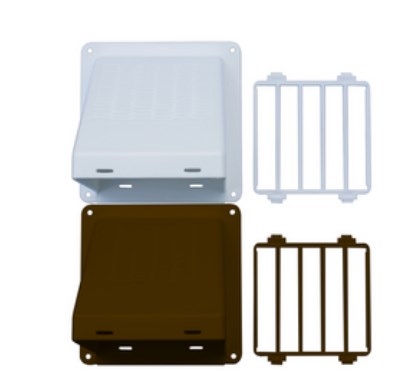
A dryer vent cover is attached to the outward vent opening of your home. Its main task is to enable the escape of hot air and moisture and exclude the entry of unwanted components into the vent system. High-quality vent covers are designed to:
- Open easily when the dryer is running
- Close tightly when the dryer is off
- Resist lint sticking or clumping
- Keep out birds, rodents, insects, rain, and snow
A vent cover serves to maintain a steady flow of air, and this is among the most crucial aspects when it comes to the prevention of lint when selected properly.
How Dryer Vent Covers Reduce Lint Buildup
Depending on the household, dryer vent covers are more involved in lint control than most of the household owners probably realize. These are directly designed to influence the airflow, moisture regulation, and the effectiveness with which the lint leaves the venting system.
Ensuring Unrestricted Airflow
An efficient dryer vent cover will enable hot, humid air to travel out of the air vent without hindrance. The lint will not get slow, settle on the duct walls, where it will accumulate and become the starting point after each drying session. The support of continuous airflow is attained through:
- Full flap opening mechanism
- Smooth interior vent surfaces
- No airflow-restricting screens
- Proper exterior vent angle
- Pressure-responsive damper design
The vent system keeps the air flowing and, as a result, is clean, efficient, and much less prone to lint build-up over time.
Preventing Lint Backflow
On a dryer when it is switched off, inefficient vent covers permit the backflow of outside air, forcing any loose lint back into the duct rather than allowing it to fully pass out of the house. The backflow prevention is facilitated by:
- Tight-closing exterior dampers
- Gravity-assisted flap design
- Wind-resistant vent construction
- Secure perimeter sealing
- Balanced air pressure control
Deep vent cleanings with the help of a dryer vent cleaning brush should only occur once during the year, by stopping lint from reentering the system, causing internal buildup to be reduced significantly.
Reducing Moisture-Lint Adhesion
When combined with moisture, lint poses a much greater risk and forms sticky clumps that are difficult to remove during dryer use, as they are attached to the walls of the vents and are not removed by natural air flow. The following enhances moisture control:
- Weather-sealed vent cover edges
- Rain and snow deflection
- Quick-drying vent materials
- Exterior condensation prevention
- Proper vent hood overhang
Drier lint passes more easily through the vent system, avoiding stubborn accumulation and increasing fire risk considerably.
Blocking Pest-Related Lint Traps
Rodents, birds, and insects frequently gain access to open vents, nesting in them and creating traps that trap lint and massively decrease the speed of airflow, hastening the accumulation of debris deep in the dryer exhaust system. The advantages of pest prevention are:
- Secure vent flap closure
- Rigid exterior vent housing
- No gaps around edges
- Smooth entry-free openings
- Durable, chew-resistant materials
Pest prevention eradicates unseen lint traps, which are hard to notice and highly hazardous when mixed with dryer heat.
Preventing Exterior Lint Catch Points
Other vent covers form ridges or screens accidentally that trap lint at the outlet, and at each drying cycle, debris is forced back into the duct. Design improvements that prevent this include:
- Screen-free vent openings
- Angled exhaust exit paths
- Minimal surface interruptions
- Self-clearing vent motion
- Lint-shedding material finishes
When the lint is emptied in a smooth manner without getting hooked up, the whole venting system is less clogged with much less effort or constant cleaning.
Supporting Efficient Dryer Operation
The operation of a dryer is inherently efficient, and lint does not accumulate as short cycles and even temperatures inhibit excessive lint shedding and internal turbulence in the vent duct. Efficiency-supporting features include:
- Low-resistance airflow design
- Quick-opening vent flaps
- Stable exhaust pressure control
- Heat-tolerant construction materials
- Consistent vent diameter alignment
Effective air circulation translates to minimal load, disruption of lint, as well as a safer dry process that keeps your appliance and house safe.
Final Thoughts
Dryer vent covers are not given much thought, yet they are important for the safety of a home, silently. The right vent cover can prevent fire hazards considerably by encouraging the proper operation of airflow, preventing debris, and decreasing the lint content in the vent, which enhances the efficiency of the dryer.
It is always a good and progressive step to upgrade your dryer vent cover to save time, money, and lives in a world where preventative maintenance saves time, money, and lives.
Most Read