5 Signs Your Dog Might Be Suffering from Joint Pain
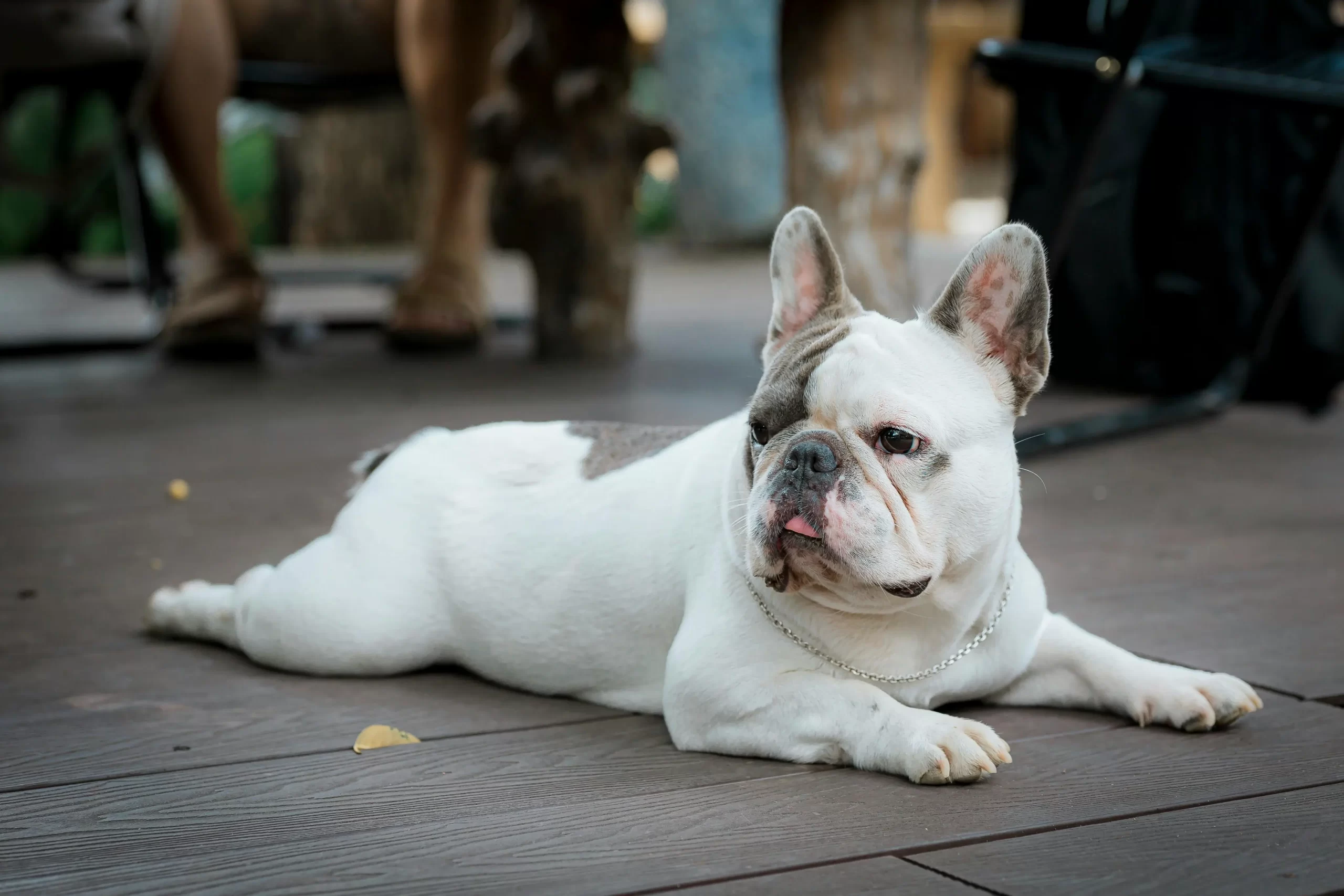
As dogs age or face physical stress, they may experience changes in mobility, behavior, and overall comfort. Joint pain is one of the most common underlying causes for such changes. Although dogs will not admit to pain, they exhibit physical and behavioral manifestations that attest to discomfort. Whether it is from wear and tear or hip dysplasia in dogs, having knowledge of signs in advance will help you be even more accommodating of your pet’s comfort. Here are five signs that your dog is struggling with joint pain and what you can do about it, including how a joint health supplement for dogs can play a role.
Decreased Mobility or Reluctance to Move
If your dog is slower to rise from a nap, hangs back before raising a flight of stairs, or won’t jump into the car or onto couches, it is a sign of joint stiffness or pain. The changes are usually subtle and more apparent when it’s cold weather or after resting periods. In conditions such as canine hip dysplasia, in which there is distorted development of the hip joint, movement becomes especially challenging.
Dog owners may find this behavior to be mere “old age,” but it is worth looking into alterations in mobility as well. Maintaining a safe, non-slip environment and moving around in a controlled way can keep the joints of dogs functional. Other owners also consider adding a joint health supplement for dogs as part of their pet’s regime to maintain the overall structure of joints.
Limping or Leaning on One Leg
A discernible limp or avoidance of bearing weight on one side of the body may suggest single joint pain. The intermittency of the limp, especially following exercise or play, is not unusual, but ongoing favoring of a leg can be repetitive joint stress.
With hip dysplasia in dogs, the issue usually starts with the back legs, and owners become aware of the hips swaying back and forth while walking.
The symptoms need to be taken into consideration carefully and discussed with a veterinary expert to get an idea of the cause. In addition to regular visits to the vet, owners are helped by the use of a joint supplement for canines on a daily basis to maintain connective tissues such as ligaments and cartilage.
Mood or Behavioral Change
Irritated dogs tend to become irritable, secluded, and even hostile upon being touched at the sensitive areas. If your sociable dog suddenly becomes irritable or growls when you touch some parts of their body, most especially hips, knees, or shoulders, this could be due to their sensitiveness around their joints.
This change in behavior is often most evident during play or grooming with children or other pets. It is sometimes mistaken for training or personality adjustment, but pain can be the underlying cause of this behavior. Supplementing a dog with a canine joint supplement as part of a total supportive wellness plan might assist dogs that are showing signs of reduced comfort in ordinary activities.
Loss of Hind Leg Muscle
Hind leg atrophy is also an outward indication that your dog is not putting as much strain on their legs, maybe due to joint pain. You would realize that one leg would be smaller than the other legs in the event you happen to find your dog limping on one side in an attempt to escape pain.
This is particularly common in hip dysplastic dogs, as loose or painful hips put the back legs under most of the stress. Gentle daily exercise, such as swimming or short frequent walks, may improve strength and mobility. Furthermore, a dog joint supplement with ingredients such as collagen, glucosamine, or MSM ends up on pet owners’ shopping lists to ensure muscular and connective tissue health.
Lick or Chew Intolerance of the Joints
There are some dog friends who have the habit of licking or chewing over the area of pain. If your dog is always licking wrists, knees, or hips, it can be the manner in which they manage joint inflammation. Chronic licking will often lead to irritation of the skin or hair loss, even exacerbating the irritation of the pain.
Watching for these self-soothing activities can give you an early warning sign of joint sensitivity. Licking is not painful in itself, but when combined with other signs like limping and reduced activity it may be something that you will need to pursue.
The owners of smart dogs that can sense these cues typically begin looking for noninvasive ways to keep their dog’s joints in top condition. The appropriate joint health supplement for dogs may be incorporated into a regular proactive routine so that joints feel flexible and comfortable.
Supporting Joint Health the Natural Way
Maintenance of the dog’s joint health, especially in dogs with diseases like hip dysplasia, is multifaceted. Proper nutrition, frequent low-impact exercise, routine visits to the veterinarian, and observation for gait or behavior changes are integral components.
Most dog owners try natural diet supplementation as a supplementary attempt. OptiWize Collagen Plus is a supplement formulated to support joint health with collagen a structural protein found in cartilage, ligaments, and tendons. Effects vary from subject to subject, but some dog owners make it part of their dog’s long-term well-being program to enable healthy joint structure.
Final thoughts
Arthritis can really change the lifestyle of your dog, but the sooner it’s diagnosed, the greater the impact. By being aware of the symptoms such as reduced mobility, attitude shifts, or limping you can move to make a difference in your dog’s comfort and mobility. Whether through adaptive physical changes in the home or adding a joint supplement for dogs to your routine, there are measures to take to support long-term joint health.
If you do notice any permanent signs of distress, always consult a vet professional to evaluate the best approach for your dog’s unique case.
Most Read