What to Expect During and After a Microneedling Treatment
Microneedling is a skin or aesthetic treatment many people consider today, but few understand it. Concerns related to pain, redness and recovery time often surface right before the first appointment. So not knowing the answers can make each decision feel tougher than it needs to be. Microneedling uses fine needles to make tinier marks in the skin, which the body then uses to enter its repair mode.
Having a clear insight into what actually happens at each stage, starting with consultation and ending with the outcome, removes most of the concerns. It also helps patients prepare and recover sooner. It gives a realistic idea of how your skin might look later. Understanding how skin experts offer microneedling in Burlington can guide every step and make the process easier to trust.
Preparing for Microneedling Before Your Appointment
The first step is a consultation where a provider reviews your skin, asks about your health history, and clearly explains what the treatment can and cannot do. Proper preparation starts with transparent answers and a couple of questions of your own.
A skin expert might ask you to prepare in the following ways:
- Be upfront and share your medical history and the medicines you take
- Avoid sunburn and tanning beforehand
- Pause any specific skincare products if recommended
- Mention any history related to scarring or cold sores
- Arrive with clear skin and no makeup
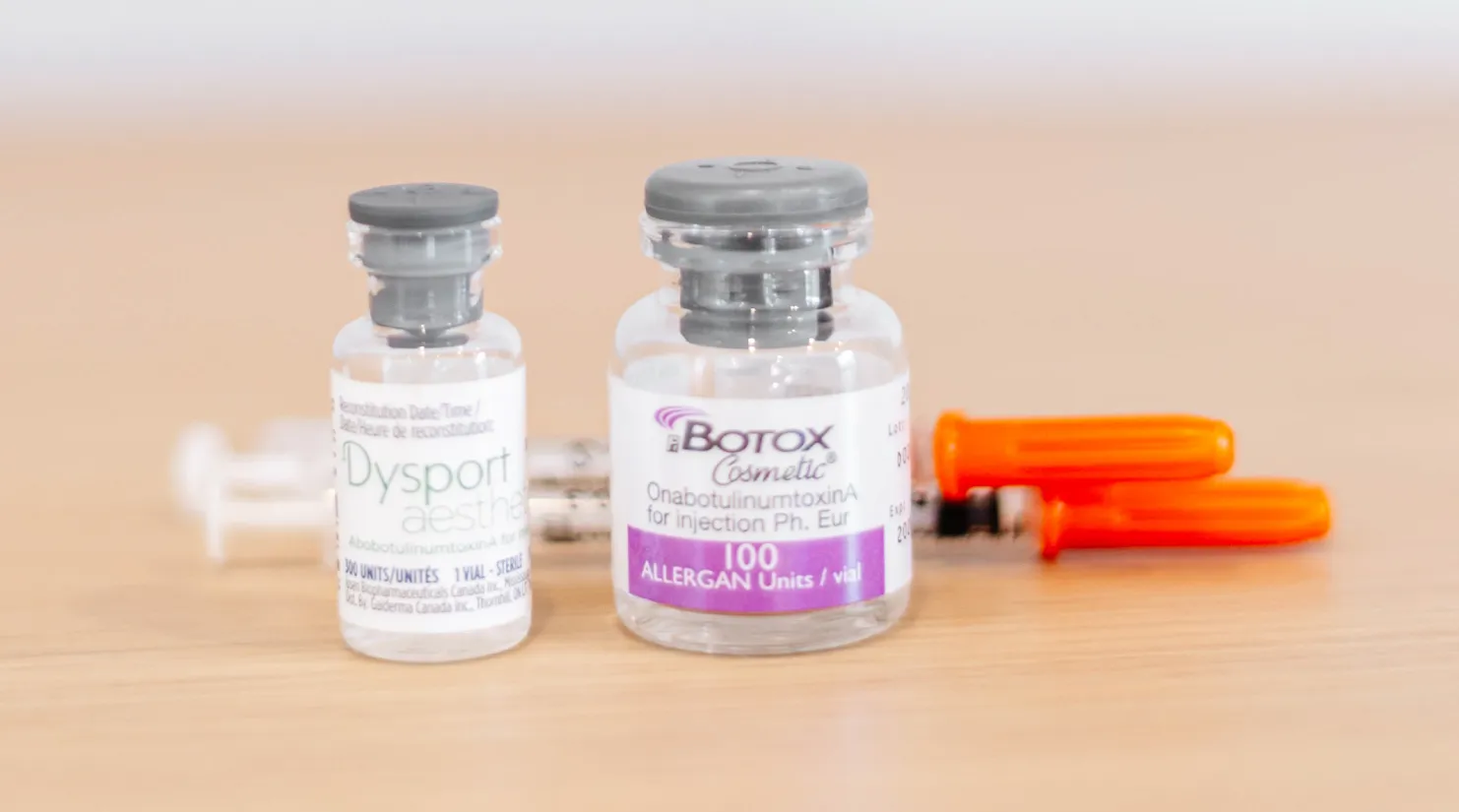
When planning aesthetic treatments such as Botox in Burlington, discuss everything during consultations. This helps your provider better understand your condition and create a structured plan based on the right order and timing.
From Treatment Day to Visible Results
Every patient’s journey follows a similar path, from the treatment room to a healthier body and lasting results. Below, we explain what’s normal, what you can do, and when to ask for help.
What Happens During the Session
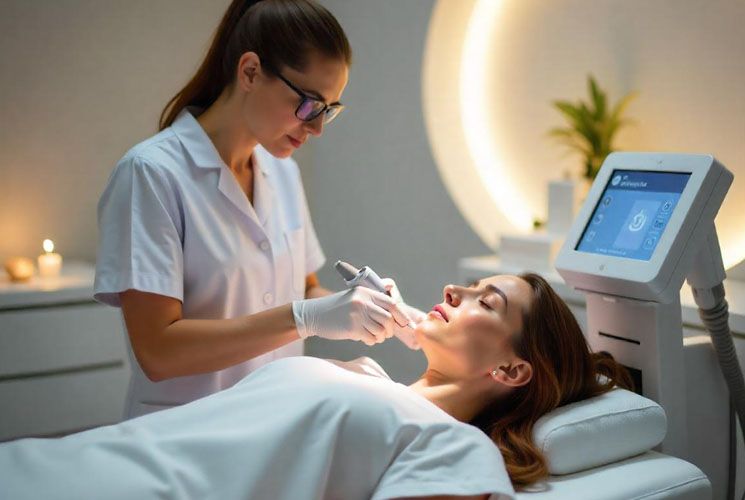
First, your skin expert will cleanse your skin and rinse off the excess with a numbing cream before the treatment. A pen-like device with very fine needles creates these microscopic channels, followed by the body’s healing process.
What You May Feel
- Applying cooling numbness cream onto the skin
- Some scratching or vibrating sensations
- Greater sensitivity on skin that is thin skin or bony surfaces
- Warmth once the treatment comes to an end
Experts adjust needle depth in each area and assess comfort as they go. This makes each session as easy and comfortable as possible for each patient.
What Your Skin Looks Like Right Away
Skin immediately following treatment may be red and feel warm or tight, like a slight tan. Occasionally, you may have slight inflammation or tiny areas of bleeding.
Common Immediate Reactions
- The entire treated area is affected with redness
- The feeling of heat or pressure on the skin
- Swelling in the eyes, around the eyes
- Diminished or fading dots or spots
A professional applies a cooling, soothing product according to procedure. The patient is given clear written information and is told what is normal.
The First Few Days of Recovery
Usually clears up in 1 to 2 days, but may be sooner for some or later for others. The skin may be dry or rough and may flake slightly for a number of days before it replaces itself.
Healing Signs to Expect
- Tightness and dryness in the feel
- Up to a certain degree of flaking or a coarse texture
- Avoid direct contact and sensitivities
- Gradually fading redness
A professional can tell the difference between a problem and normal healing. They will ask questions and request photos of anything they see as out of the ordinary or concerning.
Aftercare Habits That Support Healing
The treated skin can become more sensitive to the sun, so sun protection is important. There are approximately 112,000 new cases of melanoma to be diagnosed in the US in 2026, according to the American Cancer Society, a reminder to protect skin.
Aftercare Steps to Follow
- Gentle washing and fragrance-free moisturizer
- Use sunscreen regularly
- No peeling, picking or scrubbing at flaking skin surfaces
- Keep strong products out of reach until told to do so by the provider
Professionals prescribe the best products for your skin and let you know when it’s safe to use retinol, exfoliating acids, and makeup.
How Results Develop Over Time
Changes tend to develop gradually, though, because it takes several weeks for your skin to create new collagen. Most require multiple treatments, and several factors affect outcomes, including skin type, concerns, and healing.
What Gradual Progress May Look Like
- Over time, your skin may develop a smoother texture
- A softer look to some fine lines and acne scars
- In some cases, you can achieve a more uniform color balance
- Outcomes that vary from individual to individual
Professionals set realistic goals, take photos and schedule sessions based on your skin type so you never have to worry about false expectations or assumptions.
When to Contact Your Provider
Most reactions settle without trouble, but some signs need a prompt check by a professional. Contact your provider if redness, pain or swelling grows worse instead of easing over the first few days after treatment.
Signs That Need Attention
- Increasing pain, heat or swelling
- Yellow crusting or oozing
- Fever or feeling unwell
- A cold sore flare-up near the treated area
Professionals can examine the skin, treat early problems and adjust the plan, which is why quick contact is better than waiting.
A Realistic View of Microneedling
Microneedling works best when expectations are realistic, and you follow guidance. Every person heals at a different pace, so patience and open conversation with a trained provider matter more than any promise of quick change. Informed patients often feel calmer about the process and better able to judge their own progress.
Most Read