
The Role of Food & Beverage in Hotel Operations

Food and beverage play a critical role in hotel operations by enhancing the guest experience and contributing significantly to revenue. Hotels provide various dining options to meet the preferences of guests, from casual dining to fine dining. A well-managed food and beverage (F&B) department ensures customer satisfaction, increases brand reputation, and boosts overall profitability.

Enhances Guest Experience

One of the primary roles of the food and beverage department is to create memorable experiences for guests. Guests expect high-quality food, excellent service, and a pleasant atmosphere. When hotels provide these services efficiently, it leaves a lasting impression. Whether it’s breakfast, lunch, dinner, or room service, maintaining quality is essential. Many guests choose hotels based on the variety and quality of dining options available, which means the F&B department directly affects guest satisfaction.

Generates Significant Revenue

The food and beverage department is a major source of income for hotels. In addition to room bookings, revenue from dining services contributes heavily to the overall profitability. Hotels offer various services such as buffets, banquets, and catering for events, which attract both guests and locals. A well-structured F&B department can generate consistent income, helping the hotel remain financially stable even during off-peak seasons. Many students from the Best Hotel Management College in Kota learn these techniques to enhance hotel revenue.

Supports Event Management

Hotels often host events such as weddings, conferences, and parties. The food and beverage department plays an essential role in ensuring the success of these events. From planning the menu to serving guests, this department coordinates every detail to create a seamless experience. Guests often remember events based on the quality of the food and service, which makes this aspect crucial for the hotel’s reputation.

Promotes Brand Reputation

The quality of food and beverage services can significantly impact the reputation of a hotel. Guests who enjoy their dining experience are more likely to leave positive reviews and recommend the hotel to others. In contrast, poor service or low-quality food can lead to negative feedback, affecting the hotel’s image. Many hospitality professionals trained at AHA Kota understand how to maintain high standards to protect and enhance the hotel’s brand.

Adapts to Changing Trends

The food and beverage industry is constantly evolving, with changing guest preferences and emerging trends. Hotels need to stay updated with the latest trends, such as offering vegan or gluten-free options, focusing on sustainable sourcing, and incorporating local cuisine into their menus. By adapting to these changes, hotels can attract a wider range of guests and increase their competitiveness. Graduates from the Best Hotel Management Courses in Kota are equipped to understand and implement these trends effectively.

Ensures Health and Safety Compliance

Maintaining health and safety standards is a key responsibility of the food and beverage department. Hotels must adhere to hygiene protocols, food safety regulations, and quality control measures. Proper training ensures that staff handle food safely and provide guests with a safe dining environment. Compliance with these regulations not only protects guests but also protects the hotel from legal issues.

Improves Guest Loyalty

A positive dining experience often leads to guest loyalty and repeat visits. Guests who enjoy their food and the overall service are more likely to return and recommend the hotel to others. Offering a variety of cuisines, maintaining high-quality service, and ensuring timely delivery can significantly impact guest retention. Hotels can also introduce loyalty programs and exclusive dining offers to encourage repeat visits.

Contributes to Cross-Selling and Upselling

The food and beverage department offers numerous opportunities for cross-selling and upselling. For example, suggesting premium drinks, specialty dishes, or dessert options can increase the average spend per guest. Room service promotions, festive menus, and event catering packages are also effective ways to boost revenue. Well-trained staff know how to identify guest preferences and make personalized recommendations that enhance the guest experience while increasing sales.

Encourages Innovation and Creativity

The food and beverage department is an ideal space for innovation and creativity. From designing unique menus to creating signature dishes, hotels can differentiate themselves by offering exclusive dining experiences. This creativity not only attracts guests but also helps hotels stay ahead of competitors. Hotel management professionals trained at AHA Kota are encouraged to think creatively and offer innovative solutions to meet guest expectations.

Balances Cost and Quality

Managing costs while maintaining high-quality standards is one of the biggest challenges in the food and beverage department. Hotels need to monitor food wastage, control portion sizes, and negotiate with suppliers to ensure a balance between cost efficiency and quality. Effective cost management can improve profitability without compromising guest satisfaction.

Supports Sustainability Initiatives

Sustainability has become an important consideration in the hospitality industry. The food and beverage department can contribute by reducing food waste, sourcing ingredients locally, and minimizing plastic use. Implementing sustainable practices not only benefits the environment but also appeals to environmentally conscious guests. Many hospitality graduates from the Best Hotel Management College in Kota are trained to incorporate sustainable practices into their operations.

Provides Training and Skill Development

The food and beverage department also plays a vital role in staff training and development. Employees need to be trained in customer service, hygiene standards, and menu knowledge to deliver high-quality service. Regular training sessions ensure that staff are prepared to handle different situations and maintain a high level of professionalism.

Conclusion

The food and beverage department is an integral part of hotel operations that directly influences guest satisfaction, revenue generation, and brand reputation. By maintaining high standards, adapting to trends, and focusing on innovation, hotels can create memorable experiences for their guests. Professionals trained at AHA Kota and other reputed institutions bring expertise that enhances the quality of hotel services. The success of a hotel often depends on the efficiency and effectiveness of its food and beverage services, making this department an essential component of hospitality management.

Beyond the Palaces: Hidden Gems of Rajasthan You Must Explore

Introduction

Rajasthan is often associated with its grand palaces and imposing forts, but beyond these architectural marvels lies a world of hidden treasures waiting to be discovered. This guide explores the lesser-known yet equally mesmerizing attractions of Rajasthan, perfect for travelers seeking offbeat experiences.

Bundi: The Underrated Heritage Town

Bundi, a quaint town, is known for its historical charm and artistic brilliance.

  • Taragarh Fort: One of the oldest forts in Rajasthan, offering stunning views of the city.
  • Chitrashala: A mesmerizing gallery of murals showcasing Bundi’s artistic heritage.
  • Stepwells (Baoris): Ingenious water conservation structures, including Raniji ki Baori.

Kumbhalgarh: The Great Wall of India

This fort, with a wall extending over 36 km, is a UNESCO World Heritage Site.

  • Kumbhalgarh Fort: A mighty structure offering breathtaking panoramic views.
  • Badal Mahal: Known for its colorful murals and artistic designs.
  • Kumbhalgarh Wildlife Sanctuary: Home to leopards, sloth bears, and exotic bird species.

Bikaner: A Cultural Treasure

Unlike Jaipur and Jodhpur, Bikaner retains its authentic Rajasthani essence.

  • Junagarh Fort: An unassailable fort with a blend of Rajput and Mughal architecture.
  • Karni Mata Temple: Famous for its thousands of revered rats.
  • Lalgarh Palace: A grand mansion showcasing intricate latticework and regal interiors.

Jawai: The Land of Leopards

For wildlife enthusiasts, Jawai offers a rare chance to witness leopards in the wild.

  • Jawai Hills: A unique landscape with granite rock formations.
  • Jawai Dam: A picturesque site attracting migratory birds and crocodiles.
  • Leopard Safari: An exciting experience in their natural habitat.

Barmer: A Hub of Traditional Craftsmanship

Barmer is a paradise for art lovers and craft enthusiasts.

  • Kiradu Temples: Ancient ruins known for their intricate carvings.
  • Wood Carving & Hand Block Printing: Witness artisans at work creating stunning pieces.
  • Desert Festival: A colorful celebration of folk dance, music, and camel races.

Alwar: A Blend of History and Nature

Alwar combines royal heritage with natural beauty.

  • Bala Quila: A towering fort offering panoramic views of the city.
  • Sariska Tiger Reserve: A popular wildlife sanctuary home to tigers and other species.
  • Moosi Maharani ki Chhatri: A beautiful cenotaph with impressive architecture.

The Forgotten Villages of Rajasthan

Beyond its cities, Rajasthan is dotted with fascinating villages that showcase its rich cultural heritage.

  • Kuldhara: An abandoned village shrouded in mystery.
  • Khimsar: A village with a stunning desert landscape and fort stay experiences.
  • Osian: A temple town with exquisite Jain and Hindu temples.

Unique Festivals and Traditions

Rajasthan is known for its vibrant festivals, many of which are celebrated with grandeur in lesser-known towns.

  • Nagaur Cattle Fair: A significant livestock fair showcasing Rajasthan’s rural life.
  • Mewar Festival: A spring festival marking the cultural richness of Udaipur.
  • Abhaneri Festival: Celebrated at the Chand Baori stepwell, featuring folk performances.

Travel Tips for an Offbeat Rajasthan Experience

  • Plan Your Visit in Winter: The best time is from October to March when the weather is pleasant.
  • Opt for Local Homestays: Experience authentic Rajasthani hospitality in heritage homes.
  • Explore Beyond the Main Cities: Take time to visit smaller towns and villages.
  • Respect Local Customs: Rajasthan has deep-rooted traditions; dressing modestly is advisable.

Conclusion

Rajasthan’s hidden gems provide a different perspective on this historic land. Whether it’s the tranquil landscapes of Jawai, the architectural splendor of Bundi, or the cultural richness of Barmer, these destinations offer unforgettable experiences beyond the grandeur of palaces and forts.


Shivni Fort: Echoes of Yavatmal’s Past

Shivni Fort is a remarkable historical landmark located in the Yavatmal district of Maharashtra. This fort stands as a testimony to the region’s rich cultural and architectural heritage. Nestled amid lush greenery and scenic landscapes, Shivni Fort attracts history lovers, adventure seekers, and nature enthusiasts. The fort’s architecture and historical significance make it a must-visit destination for those exploring Yavatmal. Visitors can experience the essence of ancient times while walking through the ruins that once housed rulers and warriors.

Historical Significance of Shivni Fort

Shivni Fort dates back to ancient times, believed to be built during the reign of the Gond rulers. The Gond dynasty played an important role in shaping the history of central India, and their influence is evident in the design and structure of this fort. Shivni Fort served as a strategic military base, providing a vantage point to monitor and defend the region. Over the years, the fort witnessed several battles and conquests, each leaving a mark on its architecture and significance.

The fort’s walls and bastions reveal tales of valor and bravery, showcasing the craftsmanship of ancient builders. The remnants of the fort reflect a blend of indigenous architectural styles and influences from different periods of history. Visitors can observe the ruins of old gateways, watchtowers, and granaries that once served the purpose of safeguarding the region.

Architectural Features of Shivni Fort

The architecture of Shivni Fort is a fine example of ancient engineering techniques. Built using locally available stone and materials, the fort stands strong even after centuries. The walls of the fort are fortified to withstand attacks and invasions, with a layout that allowed soldiers to keep a close watch on approaching enemies.

Inside the fort, visitors can explore the remnants of ancient water reservoirs and storage systems that were used to store water for long durations. These systems ensured the fort’s survival during sieges and unfavorable conditions. The fort’s design also includes secret pathways and escape routes, adding to its historical charm. These features give visitors a glimpse into the strategic planning of ancient rulers.

Exploring Shivni Fort Today

Today, Shivni Fort stands as a serene yet captivating site that attracts tourists and history buffs alike. The journey to the fort involves a trek through picturesque landscapes, making it an ideal destination for nature lovers. Once at the fort, visitors can soak in the panoramic views of the surrounding area and feel connected to the past.

The fort provides ample opportunities for photography and sightseeing, with its scenic beauty and historical allure. Exploring the fort at leisure allows visitors to appreciate the intricacies of its architecture and the stories hidden within its walls. Shivni Fort is not just a place to explore history but also a peaceful retreat away from the hustle and bustle of city life.

Best Time to Visit Shivni Fort

The ideal time to visit Shivni Fort is during the winter months, between October and February. The weather during this period is pleasant, making it easier to explore the fort and enjoy the surrounding natural beauty. Monsoon season, from June to September, also adds charm to the region, with lush greenery and a refreshing ambiance. However, the trails may become slippery during heavy rains, so caution is advised.

Early mornings and late afternoons are the best times to visit, as the weather is cooler, and the fort offers mesmerizing views of the sunrise and sunset. Visitors can plan their visit accordingly to make the most of their experience at Shivni Fort.

Accommodation Options Near Shivni Fort

For those planning to explore Shivni Fort and nearby attractions, Yavatmal offers a range of accommodation options. Travelers can choose from budget-friendly lodges to 5-star hotel in Yavatmal that offer modern amenities and comfort. Staying in Yavatmal allows visitors to relax and rejuvenate after a day of exploration.

For a luxurious stay, Premium Suites in Yavatmal provide a comfortable and memorable experience. These suites come with elegant interiors and top-notch services, catering to the needs of travelers seeking relaxation after their adventures. One such option to consider is The Jasraj Palace, known for its excellent hospitality and services, making it an ideal choice for visitors.

Nearby Attractions to Explore

While visiting Shivni Fort, tourists can also explore other attractions around Yavatmal. Some of the popular nearby sites include:

  • Tipeshwar Wildlife Sanctuary: A haven for wildlife enthusiasts, offering a chance to spot tigers, leopards, and other species in their natural habitat.

  • Kalamb Lake: A peaceful spot for picnics and boating, perfect for relaxing with family and friends.

  • Waghadi River: Ideal for nature lovers who enjoy spending time by the riverside, surrounded by tranquility.

These attractions add more excitement and variety to the trip, making the visit to Yavatmal a wholesome experience.

Travel Tips for Visiting Shivni Fort

Visiting Shivni Fort requires a bit of preparation to ensure a smooth and enjoyable experience. Here are some useful tips for travelers:

  • Wear comfortable footwear: The trek to the fort involves walking through uneven terrain, so sturdy shoes are recommended.

  • Carry enough water and snacks: There are limited facilities near the fort, so it’s best to be prepared.

  • Respect the heritage: Avoid littering and damaging the historical structures to preserve the fort’s beauty for future generations.

Conclusion: Reliving History at Shivni Fort

Shivni Fort is a fascinating destination that transports visitors to a bygone era. The fort’s historical importance, combined with its architectural marvels and scenic surroundings, makes it a must-visit site for anyone exploring Yavatmal. Whether you are a history enthusiast, nature lover, or adventure seeker, Shivni Fort promises an unforgettable experience. Plan your visit and immerse yourself in the rich heritage that echoes through the walls of this ancient fort.

¿Qué es el Triángulo Dorado de la India?

El Triángulo Dorado es una de las rutas turísticas más populares en la India. Su nombre proviene de la conexión entre tres ciudades clave: Delhi, Agra y Jaipur, que forman un triángulo perfecto en el mapa. Esta ruta ofrece una combinación inigualable de historia, cultura y arquitectura majestuosa.

Desde la grandeza de los fuertes y palacios de Jaipur hasta la emblemática belleza del Taj Mahal en Agra, cada destino dentro del Triángulo Dorado transporta a los viajeros a una era de esplendor real y legado cultural.

Si deseas vivir esta experiencia única, puedes hacer una Reserva Viajes del Triángulo de Oro en India aquí.


¿Por qué el Triángulo Dorado es un destino imprescindible?

El Triángulo Dorado no solo es famoso por sus monumentos históricos, sino también por la diversidad cultural que representa. Es un viaje ideal para aquellos que desean:

  • Explorar la historia de la India a través de sus monumentos icónicos.

  • Sumergirse en la cultura vibrante y tradiciones locales.

  • Disfrutar de gastronomía auténtica en cada ciudad.

  • Experimentar una mezcla perfecta de lo antiguo y lo moderno.

Cada ciudad tiene su propia esencia y legado histórico que la hace única dentro de esta ruta turística.


¿Qué esperar en cada ciudad del Triángulo Dorado?

Delhi: La fusión perfecta entre lo antiguo y lo moderno

Como capital de la India, Delhi es una metrópoli vibrante donde lo antiguo se encuentra con lo contemporáneo. Entre los lugares imprescindibles para visitar están:

  • Fuerte Rojo: Una fortaleza imponente de la era mogol.

  • Jama Masjid: Una de las mezquitas más grandes de la India.

  • Puerta de la India: Un monumento conmemorativo dedicado a los soldados caídos.

  • Qutub Minar: El minarete de ladrillos más alto del mundo.

Para organizar un viaje completo a esta ciudad, puedes hacer una Reserva Paquete turístico de Delhi aquí.


Agra: La ciudad del amor y la arquitectura sublime

Ubicada a orillas del río Yamuna, Agra es mundialmente famosa por albergar el impresionante Taj Mahal, una de las Siete Maravillas del Mundo. Otros puntos de interés en la ciudad incluyen:

  • Fuerte de Agra: Una joya arquitectónica de la era mogol.

  • Itimad-ud-Daulah: Conocido como el “Pequeño Taj Mahal”.

  • Mehtab Bagh: Un jardín con vistas espectaculares al Taj Mahal.

La ciudad ofrece una gran cantidad de experiencias culturales y gastronómicas que permiten a los visitantes sumergirse en la grandeza del pasado.


Jaipur: La Ciudad Rosa y su esplendor real

Conocida como la Ciudad Rosa, Jaipur es el corazón del estado de Rajastán. Esta ciudad deslumbra con su arquitectura real, bazares coloridos y una gastronomía exquisita. Entre los lugares imprescindibles se encuentran:

  • Palacio de la Ciudad: Residencia real con museos y patios espectaculares.

  • Hawa Mahal: También conocido como el “Palacio de los Vientos”.

  • Fuerte Amber: Un majestuoso fuerte con vistas panorámicas.

  • Jantar Mantar: Un observatorio astronómico del siglo XVIII.

Jaipur es el lugar ideal para experimentar la realeza de la India a través de su cultura y arquitectura.


Consejos útiles para viajar por el Triángulo Dorado

Para disfrutar al máximo esta experiencia, es importante seguir algunas recomendaciones clave:

  • Elige la mejor época para viajar: De octubre a marzo es el periodo ideal para evitar el calor extremo.

  • Planifica el transporte con antelación: Puedes viajar en tren, coche privado o vuelos internos.

  • Prueba la comida local: No te pierdas los platos tradicionales como el butter chicken en Delhi, los petha en Agra y el dal bati churma en Jaipur.

  • Viste ropa cómoda y respetuosa: En los templos y sitios religiosos, es recomendable llevar vestimenta modesta.


¿Cómo planificar un viaje al Triángulo Dorado de manera eficiente?

Planificar un viaje a esta ruta icónica requiere atención a los detalles para garantizar una experiencia sin contratiempos. Para ello, se recomienda:

  • Determinar la duración del viaje: Un recorrido típico dura entre 5 y 7 días.

  • Seleccionar un itinerario adecuado: Dependiendo del tiempo disponible, se pueden agregar visitas adicionales a lugares cercanos como Varanasi o Udaipur.

  • Reservar con una agencia confiable: Contar con expertos en turismo puede hacer que el viaje sea más cómodo y seguro.

Si buscas asistencia profesional para organizar tu recorrido, ¡no dudes en contactar con ¡La mejor agencia de viajes para descubrir India! aquí.


Conclusión

El Triángulo Dorado es una ventana al alma de la India, uniendo pasado y presente en un viaje fascinante. Cada ciudad dentro de esta ruta ofrece un aspecto único del legado histórico, cultural y arquitectónico del país.

Desde la grandeza imperial de Delhi hasta la belleza romántica de Agra y la elegancia regia de Jaipur, este circuito es una experiencia inolvidable para cualquier viajero.

Si sueñas con recorrer esta ruta llena de historia y color, asegúrate de planificar bien tu viaje para aprovechar cada momento al máximo.

The Connection Between Process Safety Management and Corporate Sustainability

Understanding Process Safety Management and Corporate Sustainability

In today’s industrial landscape, Process Safety Management plays a crucial role in ensuring workplace safety while aligning with corporate sustainability goals. As industries seek to reduce operational risks and environmental impact, the integration of safety protocols and sustainable practices has become a priority. This approach helps organizations maintain regulatory compliance, improve efficiency, and promote long-term sustainability.

How Process Safety Management Supports Sustainability Goals

The relationship between Process Safety Management and sustainability is built on three key pillars: environmental protection, social responsibility, and economic efficiency. Organizations implementing robust safety management systems contribute to:

  • Reducing Environmental Hazards – Minimizing emissions, leaks, and hazardous waste disposal.
  • Enhancing Workplace Safety – Protecting employees and communities from industrial risks.
  • Optimizing Resource Utilization – Improving operational efficiency to prevent resource wastage.

By integrating safety management strategies with sustainability efforts, industries can create a safer and more responsible working environment while achieving long-term economic benefits.

Key Components of Process Safety Management for Corporate Sustainability

1. Hazard Identification and Risk Assessment

One of the primary elements of sustainability-focused safety management is hazard identification. A Hazop Study provides a systematic approach to identifying potential process hazards and ensuring preventive measures are in place. Through this proactive approach, companies reduce environmental and safety risks, leading to improved sustainability performance.

2. Emergency Preparedness and Response Planning

Sustainability includes being prepared for potential risks. Companies with well-structured emergency response plans minimize the consequences of industrial accidents. A thorough Fire Audit ensures that fire prevention systems are properly assessed, reducing risks of large-scale environmental damage and loss of life.

3. Compliance with Regulatory Standards

Governments and regulatory bodies worldwide emphasize compliance with process safety regulations to ensure sustainability in industries. Conducting a Safety Audit helps organizations evaluate and enhance their compliance, reducing environmental impact and ensuring sustainable operations.

4. Implementing Process Safety Measures for Long-Term Sustainability

Organizations focusing on sustainability must integrate process safety at every level of operations. This includes designing safer processes, implementing risk management strategies, and conducting regular safety training for employees. Process Safety Management ensures that industrial operations remain sustainable by preventing hazardous incidents.

5. The Role of Leadership in Sustainable Safety Practices

Corporate sustainability is driven by strong leadership and decision-making. Appointing a qualified Safety Consultant helps organizations create and implement best practices for process safety and sustainability. These experts guide companies in reducing environmental hazards while improving overall workplace safety.

Challenges in Aligning Process Safety Management with Sustainability

Despite the benefits, industries face challenges in integrating process safety with sustainability, such as:

  • High Initial Investment Costs – Implementing safety systems and sustainable practices requires significant financial resources.
  • Lack of Awareness and Training – Employees need proper education on sustainability-driven safety procedures.
  • Complex Compliance Requirements – Navigating evolving safety regulations can be challenging for industries.

Addressing these challenges requires a commitment to continuous safety audits, process optimizations, and industry collaborations to create a more sustainable future.

Conclusion

Process Safety Management is a key driver of corporate sustainability, ensuring that industries operate responsibly while minimizing risks. By incorporating hazard assessments, emergency planning, regulatory compliance, and leadership-driven strategies, organizations can achieve a balance between industrial safety and environmental responsibility. A sustainable business approach, backed by effective safety management, leads to long-term economic growth, improved safety, and environmental conservation.

The Best Natural Oils for a Perfect Skin Massage

Using natural oils for a skin massage can do wonders for your skin. These oils not only relax your muscles but also nourish and moisturize your skin deeply. If you are looking for a way to pamper yourself and improve your skin’s health, using the right oil during a massage can make a big difference. People who want a rejuvenating skin massage in Udaipur can try various natural oils that offer multiple benefits. Here’s a detailed look at the best natural oils for a perfect skin massage.

1. Coconut Oil

Coconut oil is one of the most popular oils used for massages. It is lightweight, absorbs quickly into the skin, and has antibacterial properties. Coconut oil is rich in vitamin E and fatty acids that help moisturize and protect the skin. It works well for all skin types, especially dry and sensitive skin. A gentle massage with coconut oil can leave your skin feeling soft and smooth. For those visiting the best spa in Udaipur, coconut oil is often a preferred choice due to its relaxing and hydrating effects.

2. Almond Oil

Almond oil is packed with vitamins A and E, which help to nourish and soften the skin. It is a mild and hypoallergenic oil that suits sensitive skin, making it ideal for babies and adults alike. Almond oil easily penetrates the skin and provides deep hydration. Regular use of almond oil during massages can also reduce the appearance of stretch marks and improve skin tone. Many people who opt for a skin massage in Udaipur prefer almond oil for its soothing and therapeutic properties.

3. Olive Oil

Olive oil is known for its rich content of antioxidants and healthy fats. It is often used for deep tissue massages as it provides intense moisture and helps repair damaged skin. Olive oil is ideal for dry and rough skin, making it perfect for winter massages. This oil also contains anti-inflammatory properties that can help soothe irritated skin. A massage with olive oil can leave your skin feeling soft, supple, and rejuvenated.

4. Jojoba Oil

Jojoba oil is technically a wax that closely resembles the natural oils produced by our skin. It is rich in vitamin E and has antimicrobial properties, making it an excellent choice for acne-prone skin. Jojoba oil balances the skin’s natural oil production and keeps the skin hydrated without clogging pores. It is a lightweight oil that is quickly absorbed and leaves the skin feeling smooth and nourished. Jojoba oil is often recommended for those seeking the best spa in Udaipur for a refreshing and hydrating massage.

5. Argan Oil

Argan oil, often called “liquid gold,” is packed with antioxidants, vitamin E, and essential fatty acids. It deeply hydrates and protects the skin while reducing signs of aging. Argan oil is non-greasy and absorbs quickly, making it suitable for all skin types. Regular use of argan oil during a skin massage can improve skin elasticity and leave it glowing. People who indulge in a skin massage in Udaipur often prefer argan oil for its nourishing and anti-aging properties.

6. Avocado Oil

Avocado oil is rich in vitamins A, D, and E, along with essential fatty acids that provide deep nourishment to the skin. It is a thick oil that is highly moisturizing and ideal for dry and mature skin. Avocado oil helps reduce inflammation and promotes collagen production, keeping the skin firm and healthy. It is commonly used in therapeutic massages to relieve muscle tension and improve skin texture.

7. Sesame Oil

Sesame oil has been used in Ayurvedic practices for centuries due to its warming and healing properties. It is rich in antioxidants, which help detoxify the skin and protect it from free radical damage. Sesame oil is excellent for promoting blood circulation and soothing tired muscles. A massage with sesame oil can leave the skin feeling rejuvenated and nourished.

8. Grapeseed Oil

Grapeseed oil is a lightweight and easily absorbable oil that is high in linoleic acid and antioxidants. It helps tighten the skin and reduce the appearance of fine lines and wrinkles. Grapeseed oil is ideal for people with oily or acne-prone skin as it does not clog pores. A massage with grapeseed oil can give your skin a radiant and youthful glow.

9. Sunflower Oil

Sunflower oil is a gentle and nourishing oil that is rich in vitamins A, D, and E. It protects the skin by forming a barrier and preventing moisture loss. Sunflower oil is perfect for sensitive skin and can be used regularly for gentle massages. It keeps the skin hydrated and promotes healthy skin regeneration.

10. Castor Oil

Castor oil is a thick and highly moisturizing oil that is packed with ricinoleic acid, which has anti-inflammatory and antibacterial properties. It is often used for deep tissue massages to relieve pain and reduce inflammation. Castor oil also helps soften rough patches and keeps the skin hydrated for a longer period.

Conclusion

Choosing the right oil for a skin massage can greatly enhance the overall experience and provide numerous benefits to the skin. Whether you prefer the deep hydration of coconut oil, the anti-aging properties of argan oil, or the soothing effects of almond oil, each oil has its own unique advantages. If you are considering getting a skin massage in Udaipur, trying out these natural oils can leave your skin feeling soft, radiant, and rejuvenated. Many wellness centers, including Kokam Thai Spa, offer massages using these high-quality natural oils to ensure the best care for your skin. For the most relaxing experience, explore the best spa in Udaipur where you can enjoy a variety of massages that use these nourishing oils.

Elegant Sofa Covers to Elevate Your Living Space

Importance of Sofa Covers in Home Decor

Sofa covers play a crucial role in enhancing the aesthetics of a living room while also protecting furniture from dust, spills, and daily wear. They add an extra layer of comfort and style, making them an essential accessory for modern homes. Whether you prefer minimalist designs or intricate patterns, choosing the right sofa cover can significantly impact the overall ambiance of your space.

Different Types of Sofa Covers

Sofa covers come in various styles, materials, and designs. Selecting the right type depends on factors such as durability, maintenance, and aesthetic preferences.

1. Slipcovers

Slipcovers are a popular choice due to their ease of use. They can be removed and washed regularly, making them ideal for households with children and pets. These covers come in a variety of fabrics, including cotton, polyester, and linen.

2. Stretchable Sofa Covers

Stretchable sofa covers are designed to fit snugly over furniture, giving a sleek and modern appearance. Made from elastic materials like spandex and microfiber, they provide a wrinkle-free look and stay in place even with frequent use.

3. Quilted Sofa Covers

Quilted covers offer extra padding and comfort, making them suitable for colder climates. These covers often feature intricate stitching patterns that add to their decorative appeal.

4. Handmade Block Print Sofa Covers

Handmade block print covers showcase traditional craftsmanship and unique designs. These covers are crafted using ancient printing techniques, adding an artistic touch to your living room. For those looking to incorporate ethnic designs, opting to buy handmade block print rugs online in India can further enhance the overall decor theme.

Factors to Consider When Choosing a Sofa Cover

Selecting the perfect sofa cover involves several considerations to ensure it meets both aesthetic and functional needs.

Fabric and Material

Different materials offer varying levels of comfort and durability. Cotton covers provide breathability and ease of maintenance, while velvet and silk covers exude luxury. For a balance between style and practicality, polyester blends are a common choice.

Size and Fit

Ensuring the correct size is essential for achieving a polished look. Many sofa covers are available in standard dimensions, but some brands offer customizable options. Stretchable covers are a great alternative for those looking for a universal fit.

Maintenance and Care

Frequent washing and exposure to sunlight can affect the longevity of sofa covers. Checking the care instructions for machine-washability, stain resistance, and fabric durability can help in maintaining their quality over time.

Design and Color

Choosing the right design and color scheme depends on the existing decor. Neutral tones create a timeless look, while bold patterns add vibrancy. Handmade prints and embroidered designs offer an artistic touch that complements both contemporary and traditional interiors.

Enhancing Your Living Space with Stylish Sofa Throws

Sofa throws serve both functional and decorative purposes. They add warmth during colder months and can instantly change the look of a sofa without requiring a complete makeover. When looking to shop for stylish sofa throws online at the best price, consider the following factors.

1. Material and Texture

Throws come in various fabrics such as wool, cotton, fleece, and acrylic. Each material offers a different feel and level of warmth. Wool and fleece provide insulation, while cotton throws are lightweight and breathable.

2. Patterns and Styles

From geometric prints to floral designs, sofa throws are available in an array of patterns. Solid-colored throws work well with patterned sofas, while intricate prints complement plain furniture pieces.

3. Functional Benefits

Apart from being visually appealing, sofa throws protect furniture from spills and pet hair. They also add an element of coziness and can be easily replaced to match seasonal decor changes.

4. Versatile Use

Sofa throws are not limited to just sofas. They can be draped over chairs, used as bed runners, or even folded neatly as a decorative piece on an ottoman.

Coordinating Sofa Covers and Rugs for a Harmonized Look

To achieve a cohesive interior design, coordinating sofa covers with rugs is an effective strategy. Handmade rugs, especially those created using block printing techniques, pair well with elegant sofa covers.

Choosing the Right Rug

When selecting a rug, consider factors such as size, material, and color. Handmade block print rugs are known for their intricate detailing and cultural significance, making them an excellent addition to any living space.

Matching Colors and Textures

Complementing sofa covers with matching or contrasting rugs enhances the room’s visual appeal. For a rustic look, earth-toned sofa covers and traditional block print rugs work well together. On the other hand, bold-colored rugs can create a striking contrast against neutral-toned sofa covers.

Practical Benefits

Rugs add warmth to a space, reducing noise and providing comfort underfoot. When choosing a rug, durability and ease of maintenance should be key considerations, especially in high-traffic areas.

Sustainable and Eco-Friendly Options

With the increasing demand for sustainable home decor, many homeowners are opting for eco-friendly materials in sofa covers and rugs. Organic cotton, jute, and natural dyes are commonly used in eco-conscious products.

Handmade and Ethically Sourced Products

Investing in handmade sofa covers and rugs supports traditional artisans while ensuring unique craftsmanship. Handmade block print covers and rugs not only add character to a home but also contribute to preserving age-old printing techniques.

Longevity and Reusability

Sustainable options tend to last longer, reducing the need for frequent replacements. Choosing high-quality materials and following proper maintenance practices can enhance the durability of these home decor items.

By incorporating elegant sofa covers and stylish throws, along with carefully chosen rugs, you can create a well-coordinated and visually appealing living space. Thoughtful selection of materials, designs, and patterns helps in achieving a balanced and comfortable home environment.

Sam Sand Dunes: Where the Desert Comes to Life

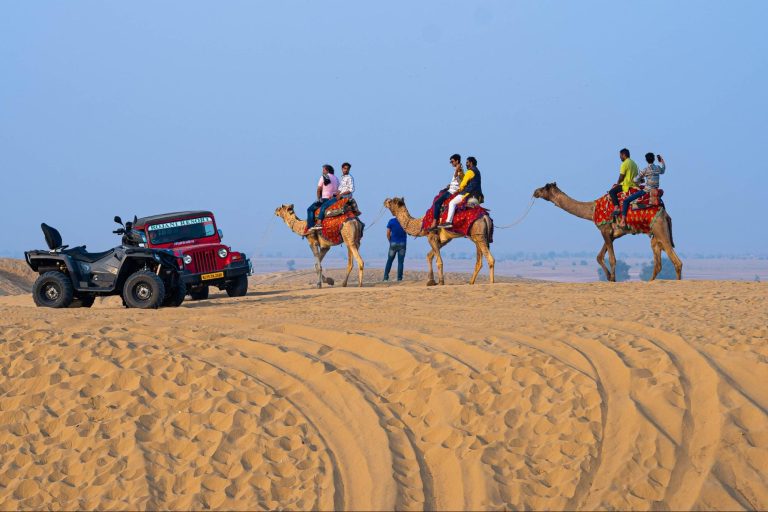
Sam Sand Dunes is one of the most exciting places to visit in Jaisalmer, Rajasthan. Located about 40 kilometers from the main city, it offers an unforgettable experience of the Thar Desert. These dunes are famous for their vast stretches of golden sand that seem to go on forever. Tourists from all over the world visit Sam Sand Dunes to witness the beauty of the desert and enjoy various activities that bring the place to life.

Experience the Magic of Sunset

The most captivating part of visiting Sam Sand Dunes is watching the sunset over the desert. As the sun slowly sinks into the horizon, the sand turns golden, creating a mesmerizing view. Tourists often gather around the dunes in the evening to enjoy this magical sight. Many people choose to experience this view during a camel safari, which allows them to explore the desert and witness the changing colors of the sky. This breathtaking moment makes the entire journey worth it.

Enjoy Thrilling Desert Activities

For adventure lovers, Sam Sand Dunes offers a variety of thrilling activities. Camel rides and jeep safaris are the most popular options. A camel ride gives you a chance to explore the desert at a leisurely pace, while a jeep safari offers a more exciting and faster adventure across the dunes. Visitors can also enjoy quad biking and dune bashing, which provide an adrenaline rush as you ride through the challenging desert terrain. These activities allow tourists to immerse themselves in the vibrant spirit of the desert.

Stay at Desert Camps for a Unique Experience

Staying at a desert camp is a unique way to experience the beauty of Sam Sand Dunes. These camps offer a blend of modern comfort and traditional Rajasthani culture. Visitors can enjoy folk music and dance performances by local artists, which showcase the rich cultural heritage of Rajasthan. Sitting around a bonfire under the starlit sky adds to the charm of the desert experience. Some of the camps offer luxury amenities, while others provide a more basic yet authentic experience of desert life.

Witness Cultural Performances and Folk Traditions

The cultural performances at Sam Sand Dunes are an essential part of the desert experience. Local artists perform Kalbeliya dance and folk music, which highlight the rich traditions of Rajasthan. These performances usually take place in the evening at the desert camps, allowing tourists to enjoy the vibrant culture after a day full of adventure. The colorful attire and rhythmic beats create a lively and festive atmosphere that captivates the audience.

Best Time to Visit Sam Sand Dunes

The best time to visit Sam Sand Dunes is during the winter season, from October to March. The weather is pleasant, making it easier to explore the desert and enjoy outdoor activities. During the summer months, the temperatures can rise significantly, making it uncomfortable for tourists. The Desert Festival of Jaisalmer, held in February, is also a great time to visit as it offers an opportunity to witness vibrant cultural events and traditional performances.

How to Reach Sam Sand Dunes

Reaching Sam Sand Dunes is easy as it is well-connected to Jaisalmer city. Tourists can hire a Taxi Service in Jaisalmer to reach the dunes comfortably. Many local taxis and private cars are available to take tourists to the desert. For those who prefer a more organized experience, booking a Jaisalmer Sightseeing Tour can be a great option as it includes a visit to Sam Sand Dunes along with other popular attractions in the city.

Essential Tips for a Memorable Trip

To make the most of your visit to Sam Sand Dunes, it’s essential to keep a few things in mind:

Wear Comfortable Clothing and Footwear

Since the desert can get quite hot during the day and cold at night, wearing comfortable and layered clothing is ideal. Closed shoes are recommended to protect your feet from the sand.

Carry Water and Sunscreen

Staying hydrated is important while exploring the desert. Also, apply sunscreen to protect your skin from the harsh sun.

Book Activities and Stay in Advance

To avoid last-minute hassles, especially during the peak tourist season, it’s best to book your desert camp and activities in advance.

Explore Beyond Sam Sand Dunes

While Sam Sand Dunes is a must-visit, Jaisalmer offers many other attractions that are worth exploring. The Jaisalmer Fort, Patwon Ki Haveli, and Gadisar Lake are some of the top places to visit during your Jaisalmer Sightseeing Tour. Hiring a reliable Taxi Service in Jaisalmer allows tourists to explore these sites comfortably and at their own pace. Rajasthan Taxi Wala offers convenient and well-organized transport services, making it easier for tourists to enjoy their trip without any hassle.

Conclusion

Sam Sand Dunes is a place where the desert truly comes to life. Whether it’s the magical sunset, thrilling activities, or the cultural performances, every moment spent here becomes a cherished memory. Exploring the dunes on a camel or enjoying a jeep safari adds excitement to the experience. For a complete desert adventure, staying at a desert camp and witnessing the rich traditions of Rajasthan is a must. With easy access and comfortable transportation options like Taxi Service in Jaisalmer, visiting Sam Sand Dunes becomes a smooth and enjoyable journey.

The Beauty of Imperfection in Handcrafted Products

In a world where machines produce flawless goods at lightning speed, handcrafted products stand apart. They carry a unique charm that reflects the hard work, creativity, and soul of the artisan. Unlike mass-produced items, handcrafted goods showcase slight imperfections that add character and authenticity. These imperfections tell a story, making each piece special and one-of-a-kind.

Uniqueness in Every Piece

Handcrafted products are never identical. Each item is crafted by hand, and the subtle variations in design, texture, and shape make them unique. Whether it’s pottery, handwoven fabrics, or handmade jewelry, no two pieces are the same. This uniqueness is what attracts people who value individuality over uniformity. For instance, Hand Block Printed Sarees often have slight differences in pattern and color due to the manual printing process. These minor variations are not flaws but a reflection of the craftsmanship involved.

Emotional Connection with Handmade Goods

Handmade products establish a deeper emotional connection between the buyer and the artisan. Knowing that someone has spent hours perfecting a piece adds sentimental value. When you purchase handcrafted products online, you are not just buying an object but supporting the artisan’s dedication and passion. This connection makes the item feel more personal and cherished.

The Charm of Natural Imperfections

The imperfections in handcrafted goods enhance their appeal. Slight asymmetry, irregular lines, and uneven patterns make the product feel more natural and real. These imperfections signify that the item was made with hands, not machines. In Hand Block Printed Sarees, the tiny inconsistencies in the design add to the saree’s beauty, making it stand out from factory-made textiles. This organic look often draws people who appreciate authenticity and traditional artistry.

Sustainable and Ethical Choice

Choosing handcrafted products is also an ethical decision. Most handmade items use sustainable materials and follow eco-friendly practices. Artisans often source local materials, reducing the carbon footprint of production. Additionally, buying handcrafted products online supports small businesses and encourages the preservation of traditional crafts. This helps maintain cultural heritage while promoting sustainable consumer habits.

Craftsmanship Passed Down Through Generations

Handmade products often involve techniques passed down through generations. Many artisans follow age-old traditions that require skill, patience, and dedication. These methods cannot be replicated by machines. For example, artisans crafting Hand Block Printed Sarees follow traditional printing techniques that have been practiced for centuries. Supporting such crafts ensures that these skills are not lost with time.

Adding Character to Your Space

Handmade products add warmth and personality to any space. Whether it’s a handwoven rug, ceramic pottery, or a hand-stitched quilt, these items bring a sense of uniqueness to your home. They tell stories of culture, tradition, and craftsmanship. Each piece carries the mark of its maker, giving your space a personal and authentic touch.

Imperfections as a Symbol of Authenticity

Imperfections in handcrafted goods are a testament to their authenticity. Unlike machine-made items, handmade pieces showcase the skill and dedication of the artisan. They reflect the natural variations that occur during the creative process. These imperfections serve as a reminder that the product is crafted by hand, making it more special and valuable. Sumaavi believes in the beauty of such imperfections and celebrates the charm they bring to every creation.

Preserving Artisanal Traditions

When you choose handcrafted items, you are also contributing to the preservation of traditional crafts. Many artisans rely on their skills to sustain their livelihood. By purchasing handcrafted products online, you help keep these traditions alive and support communities that depend on these art forms. This ensures that future generations can continue to appreciate and learn these valuable skills.

Personal Touch and Customization

Handmade products often allow for customization and personalization. Unlike mass-produced items, artisans can tailor products to suit individual preferences. This adds a personal touch and ensures that the final product meets the customer’s expectations. Whether it’s a custom piece of jewelry or a personalized home decor item, the ability to add your touch makes the item even more special.

Lasting Quality and Durability

Handcrafted items are often made with high-quality materials and attention to detail. Artisans take pride in their work, ensuring that each piece is built to last. This durability makes handmade goods a better investment than mass-produced alternatives. When cared for properly, handcrafted items can last for generations, carrying their charm and beauty through the years.

Embracing Imperfection as Beauty

In a world that often values perfection, embracing imperfection can be liberating. Handmade products teach us to appreciate the small irregularities that make each piece unique. These imperfections remind us that beauty lies in authenticity and individuality. Owning Hand Block Printed Sarees or any other handcrafted item means embracing the uniqueness that comes with imperfection.

How AI is Changing the Future of Web Design

Artificial Intelligence (AI) is transforming various industries, and web design is no exception. With the rise of smart technologies, AI is helping web developers and designers create more engaging and efficient websites. From automating repetitive tasks to enhancing user experiences, AI is shaping the future of web design in exciting ways. As businesses look for advanced solutions, many are turning to a reliable Web Design Company In Udaipur to incorporate AI into their websites.

Enhancing User Experience Through AI

AI-powered tools can analyze user behavior and make real-time adjustments to improve website interactions. By understanding user preferences, AI can suggest relevant content and provide a personalized experience. Chatbots, for example, are a great way to enhance customer support by offering instant responses. These AI-driven features improve customer satisfaction, making websites more interactive and user-friendly.

Automated Design Assistance

AI is automating many aspects of web design, reducing the need for manual intervention. Tools like AI website builders allow developers to create visually appealing and functional websites quickly. These tools analyze content and automatically adjust the design to fit the user’s needs. For instance, AI can suggest optimal color schemes, layout improvements, and font styles based on the brand’s identity. Businesses that use these tools, like Udaipur Web Designer, benefit from streamlined processes and quicker turnaround times.

Faster and More Efficient Development

AI speeds up the web development process by automating coding and debugging. It can identify errors and suggest corrections, minimizing the time required for testing. Developers can use AI to generate code snippets, optimize scripts, and ensure smooth website performance. As a result, the development process becomes faster and more accurate. Companies that offer IOS App Development Services In Udaipur are also leveraging AI to create responsive and user-friendly applications.

Content Creation and Optimization

AI plays a significant role in content generation and optimization. It can create engaging blog posts, product descriptions, and other website content that appeals to the target audience. Moreover, AI can analyze search engine trends and optimize content to improve search rankings. By ensuring that the content is relevant and high-quality, AI helps websites attract more visitors and retain their attention.

Improved SEO with AI Tools

Search engine optimization (SEO) is essential for a website’s success. AI-powered tools can analyze vast amounts of data to determine which keywords and content strategies work best. They can also suggest ways to optimize on-page and off-page SEO elements, making it easier for websites to rank higher on search engines. By using AI to enhance SEO, businesses can drive more organic traffic to their websites.

Enhanced Security and Fraud Detection

AI enhances website security by detecting suspicious activities and preventing cyber threats. It can identify patterns associated with potential fraud and alert administrators before any damage occurs. AI-driven security systems continuously learn and adapt to new threats, ensuring that websites remain safe from evolving risks. This added layer of security is crucial for businesses that handle sensitive customer information.

AI-Powered Analytics and Insights

AI provides valuable insights into user behavior by analyzing data in real-time. It helps businesses understand which pages users spend the most time on, what content interests them, and where they drop off. This information allows designers to make informed decisions about improving the website’s structure and content. For example, a Web Design Company In Udaipur can use AI-driven analytics to offer data-backed solutions to its clients.

Voice Search Optimization

With the increasing use of voice assistants, optimizing websites for voice search has become essential. AI helps websites adapt to voice-based queries by understanding natural language and delivering relevant results. Voice search optimization enhances user experience and boosts website visibility in search results. As voice search continues to grow, incorporating AI into web design becomes even more important.

Adaptive and Responsive Design

AI helps create adaptive and responsive web designs that adjust seamlessly across different devices. It analyzes user behavior and device types to deliver the best viewing experience. This ensures that websites look and perform well on desktops, tablets, and smartphones. Companies offering IOS App Development Services In Udaipur use AI to create applications that work flawlessly on various platforms.

Future of AI in Web Design

The future of AI in web design looks promising. As AI continues to evolve, it will introduce more advanced features that enhance creativity and efficiency. AI is expected to improve voice and image recognition, making websites even more interactive. Additionally, AI-driven design tools will become more accessible, allowing even small businesses to create professional and engaging websites.

Conclusion

AI is undoubtedly transforming the future of web design by making it more intuitive, efficient, and user-centric. From enhancing user experience to improving security, AI-powered tools are revolutionizing the way websites are designed and managed. As more businesses embrace AI, they can create better digital experiences and stay ahead of the competition. Whether it’s partnering with a Web Design Company In Udaipur or utilizing AI for IOS App Development Services In Udaipur, integrating AI into digital solutions is the way forward.