How to Choose Sustainable Furniture for Your Workplace
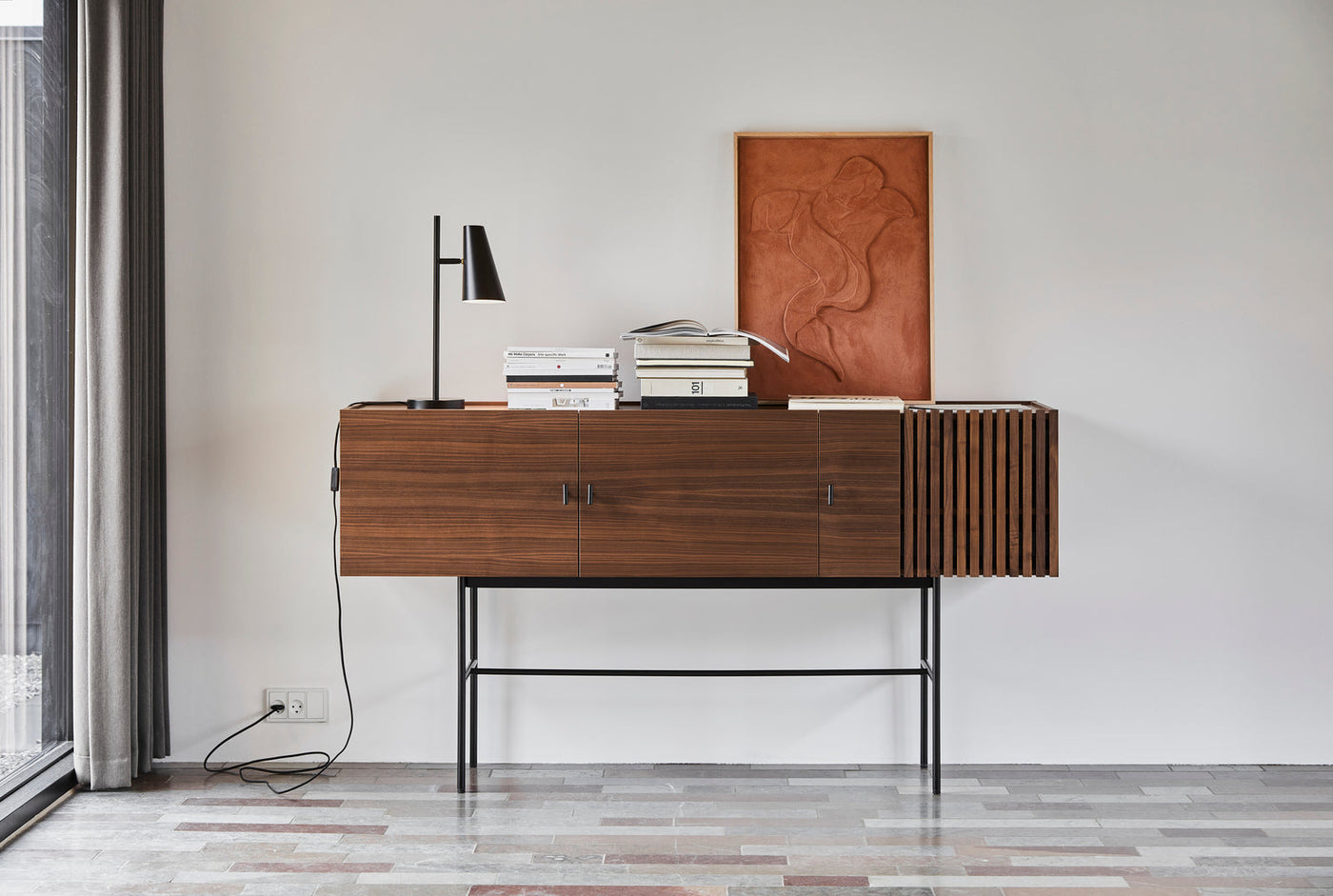
Making green decisions in the workplace extends beyond simply placing recycling receptacles and energy-saving lightbulbs — it also includes the choice of furniture. Quality, consciously sourced furniture will enhance the aesthetic appeal and moral values of your office. Corporations are now recognizing that their furniture decisions reflect brand values, staff welfare, and sustainability. By choosing sustainable furniture, not only does a person help the planet, but the overall design of a workspace is improved.
Key Factors to Consider When Selecting Eco-Friendly Office Furniture
To use an environmentally responsible approach to furnishing a workplace, one has to understand what it means when the products used are sustainable. These thoughts can guide you to seek out designs that balance design, comfort, and environmental impact.
Choose Materials with Low Environmental Impact
Sustainable office furniture made from recycled metal, reclaimed wood, bamboo, or natural fabrics significantly decreases the depletion of resources. Such materials usually have a particular aesthetic attractiveness, making your workplace distinct. Certifications, such as GREENGUARD or FSC (Forest Stewardship Council), must be authentic. The idea is to seek products that not only appear beautiful but also have minimal or no environmental impact during production and disposal.
Prioritize Durability Over Trendy Designs
The use of fashionable hashmarked designs may appear attractive, but they have a short life cycle, which can lead to wastage and high costs. Heavy-duty work using good joints, premium finishes, and sturdy frames has a good lifespan, reducing the instances of replacements. Such a method facilitates an extended product cycle and reduced use of raw materials, which also promotes environmental conservation directly.
Consider Modular and Adaptable Furniture
Workplaces evolve—teams grow, layouts shift, and roles change. The modular furniture can be easily reconfigured and does not require the purchase of new furniture. The flexibility and minimization of waste can be achieved through the use of rearrangeable desks, adjustable shelving storage systems, and adaptive seats. Flexible furniture can also be used in changing office cultures, where cooperation and transformation occur continually.
Evaluate the Manufacturing Process
The furniture has an environmental imprint, which not only encompasses the materials but also their processing. Choose brands that use non-toxic finishing, adhesives, and energy-saving production processes. By incorporating their operations in the field of renewable energy sources and fair work, companies show that sustainability is integrated into all levels of their activities. Supporting such manufacturers helps encourage industry-wide environmental responsibility.
Support Local Artisans and Manufacturers
When one opts to use locally produced furniture, one conserves transport emissions besides boosting the local economy. The local craftsmen tend to rely more on sustainable practices and tailor their designs to meet the demands of the workplace. By doing so, it contributes to the development of an exceptional aesthetic, which is sensitive to the culture and brand persona, but environmentally conscious. Moreover, the process of local sourcing enables the companies to be more in control of quality and communicate more meaningfully in their production.
Focus on Ergonomics with Sustainability
Employee comfort and health remain essential in furniture selection. Chairs, desks, and workstations that have been created with consideration given to ergonomics can contribute to less strain, good posture, and increased productivity. The marriage of ergonomics and green materials is a win-win solution to the problem because it allows workers to remain comfortable and the environment to benefit. Prioritizing well-being demonstrates a holistic approach to workplace sustainability.
Look for Take-Back or Recycling Programs
A few progressive manufacturers provide take-back programs in which old furniture can be refurbished, resold, or recycled. It helps reduce the amount of materials discarded in landfills. When researching suppliers, ask about their end-of-life product plans. These types of programs emphasize the need for complete responsibility regarding the product you may have, and your sustainable product choices are not limited to the day of purchase.
Consider Aesthetic Longevity
Eternal designs never go out of fashion and appeal to the eyes much longer than temporary trends. The best alternatives to a traditional makeover in the workplace can be within neutral colors, traditional lines, and styling that has a level of versatility. Timeless fashion with sustainable materials minimizes material discarding and makes them cheaper in the long run. This will facilitate the balance between beauty and ecological concern.
Invest in Sustainable Office Furniture for Shared Spaces
Such community places as lounges, meeting rooms, and cafeteria settings usually need durable and good-looking furniture. Purchasing sustainable office furniture for these areas will improve the overall environment of the spaces and, in the process, strengthen the sustainability ethos of your brand. Object, by design, provides a friendly touch that invites collaboration, even as it withstands the demands of heavy wear, proving that environmental friendliness and practicality can be naturally combined.
Conclusion
To create an environmentally responsible workplace, making essential decisions involves careful decision-making, congruent with your values. Each desk, chair, and storage piece can become a chance to follow the goals of creating a positive effect on the planet and the well-being of your team. Furniture should be selected sustainably because it will help the environment and make a good impression on workers, considering the inspiring work environment it creates.
Most Read