How Ageing Impacts Joint Flexibility and Movement in Cattle
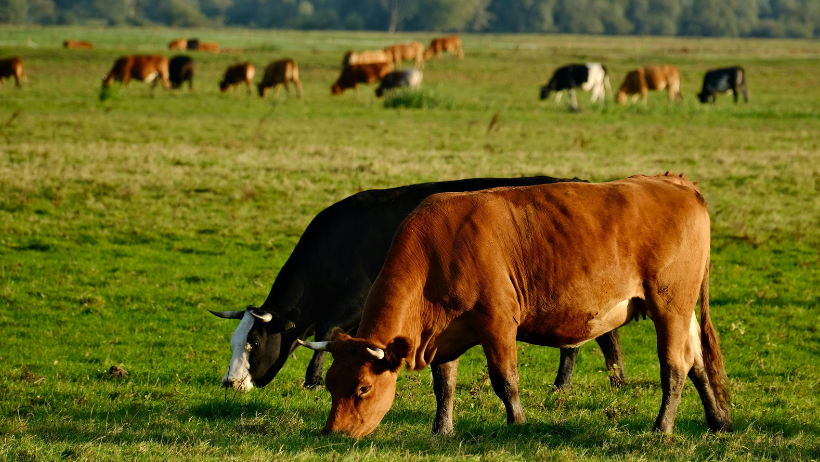
As cattle age, their bodies change with time and influence everything from the gait of the animal to the way it grazes and goes about its day. One of the noticeable changes takes place within the joints. Knowledge of joint anatomy is essential for allowing cattle to get up, walk, use stairs, and balance. In due course, wear and tear starts to build up, as does stress in relation to weather conditions and lifestyle. Understanding how aging affects these processes can help farmers, ranchers, and livestock owners provide better long-term management for their herds-particularly when considering a supplement for cattle joints or adjustments to nutrition, housing, and workload.
Natural Wear and Tear of the Joint Structures
Each joint requires a few major tissues to enable its movement: cartilage, ligaments, and synovial fluid. In younger cattle, these tissues are far stronger, and the body takes great care of them. As it ages, however, repeated impact from walking on hard ground, standing for extended periods of time, or carrying excess pounds can contribute to its gradual decline in structural integrity.
Older cattle may start to develop the first signs of loss in their flexibility, either due to natural thinning or stiffening of tissues. All these processes depend on breed, genetics, and environment; still, they are a part of normal aging.
Reduced Synovial Fluid Production
Synovial fluid is an important component of smoothly working joints. It lubricates the joints, reduces friction, and is naturally shock-absorbing. As one gets older, this begins to affect the body’s ability to maintain optimal fluid volume. A decreased volume could be adding to a reduction in the freedom of movement. In some cases, movements seem to be slower or labored.
This shift does not necessarily indicate illness; it is just a biological effect of aging. At this stage, many cattle owners begin considering nutrition-based methods or a cattle joint supplement to help support overall mobility and comfort.
Changes in the Quality of Cartilage
Cartilage is the material that cushions the bones. In young cattle, it is thick, moist, and resilient. In time, however, cartilage thins out or becomes less resilient as mechanical stresses from daily activities accumulate. This natural decline may affect how older cattle move, particularly at high-impact joints of the knee, hip, and hock.
The potential changes of cartilage over the years may be influenced by environmental factors, such as cold weather, hard surfaces on which to walk, or even travelling long distances on a regular basis.
Impact of Weight and Body Condition
Aging cattle often experience metabolic changes that can impact body condition. Weight gain puts additional stress on joints, especially those of the extremities. Alternatively, loss of significant muscle mass due to advanced age may result in the lack of support generally afforded to cattle with strong musculature.
The management of body condition becomes increasingly important in the older cattle through adjusted feeding programs or controlled hours of grazing or improved pasture design that reduces unnecessary strain on joints but maintains animal strength.
Reduced Muscle Strength and Stability
The muscles around the joints protect them by lending stability to them. Generally, with increasing age, there is natural loss of muscle tone, and therefore when one moves, the joints have to work harder. This in turn may cause alterations in flexibility, coordination, and stride length.
Target nutrition, pasture-based movement, and proper mineral intake can help maintain muscles. While one cannot reverse the aging process, thoughtful management can help encourage older animals to move smoothly and confidently.
Environmental and Management Factors
The environment the cattle live in can either support or strain aging joints. Hard flooring in barns, frequent exposure to mud, extremely cold temperatures, or uneven pasture may affect mobility over time. Providing softer bedding, improving ground conditions, and offering shelter from winter weather can make a notable difference in mobility for aging cattle.
Physical comfort and the ability of older cattle to stay active could be further compromised by the levels of stress within the herd that are associated with overcrowding, changes in social grouping dynamics, or frequent transportation.
Nutritional Considerations for Aging Cattle
Nutrition directly impacts tissues of joints, musculature, and general vitality. Diets balanced in minerals, quality protein, and appropriate levels of energy support the requirements of mature cattle. The range of key nutrients that are particularly important in tissue function and maintenance includes amino acids, omega fatty acids, and trace minerals.
Over the last decade, there has been interest on the part of owners in the use of a livestock joint supplement as part of feeding programs to support general mobility and joint health. These products range widely in formulation and may contain collagen, hyaluronic acid, herbal ingredients, or other supporting compounds.
Monitoring Mobility as Cattle Age
Regular observation remains one of the best ways of supporting older cattle. It involves observing for:
- Stride shortened
- Slower rising or lying down
- Hesitation on uneven terrain
- Visible stiffness after rest
It can help with the early identification of altered mobility needs. Early adjustments in care, such as the provision of more appropriate bedding, modified feeding, or environmental comforts, encourage ongoing health.
Final thoughts
Changes in joint flexibility and movement are just part of a lifetime for cattle, but aging is a normal process. With attentive care, thoughtful nutrition, and a supportive environment, cattle can stay active and comfortable well into their later years. For livestock owners exploring additional nutritional support, some choose to include products such as OptiWize Collagen Plus as part of their broader management approach, always ensuring it aligns with the needs of their herd.
Most Read