How to Spot Joint Issues in Pigs and Support Them with Supplements
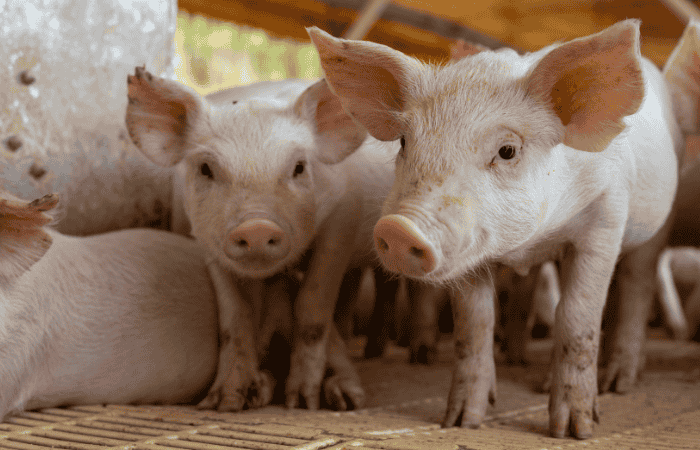
Raising pigs involves careful monitoring of their overall health and physical development. Some of the problems pig farmers and pig owners experience are joint issues. Conditions like stiffness, abnormal gait, or dropped pasterns in pigs not only make mobility difficult but also growth and performance. With knowledge of how to recognize early warning signs and feeding pigs with appropriate nutrition and pig joint supplements, caretakers can keep them strong and comfortable.
Recognizing Signs of Joint Issues in Pigs
Early detection is the most critical aspect of managing joint issues in pigs. These are some of the most frequent signs:
- Stance changes– Watch for pigs that appear to stand unevenly or abnormally.
- Difficulty in walking– Pigs that walk stiffly or appear reluctant to walk might be in pain.
- Swelling or abnormal appearance– Swelling of the legs or joints that can be a sign of compromised structure or strain.
- Dropped Pasterns in Pigs– A condition where the back of the leg hangs down to the ground, typically a sign of compromised tendons or loose joints.
Early identification allows farmers to make management and nutrition change decisions based on good scientific fact.
Common Factors That Cause Joint Problems
The following are reasons for joint health issues in pigs:
- Sudden Growth– Sudden growth pigs are susceptible to extra stress on the joints.
- Nutritional Imbalance– Insufficiency of important nutrients can result in obstruction in bone and joint growth.
- Housing– Hard floors or insufficient room can result in extra stress to the joints in the long run.
- Genetics– In certain instances, the genetic factors can make the pigs susceptible to congenital defects.
With knowledge of these factors, farmers can act ahead of time to improve standards of living and consider nutritional support.
The Role of Pig Joint Supplements
Nutrition is crucial in maintaining joint strength and flexibility. Adding pig joint supplements to a feeding plan can provide certain nutrients that contribute to the maintenance of the joint. These supplements normally have:
- Amino acids and proteins are crucial in tissue and muscle building.
- Calcium and phosphorus are minerals that contribute to bone structure.
- Symptom-specific additives to enhance cartilage and connective tissue integrity.
Supplements, although cannot resolve all issues on their own, are a vital aspect of an all-encompassing care regimen that includes balanced feeding, appropriate housing, and observation.
Supporting Pigs with Management Practices
Besides nutritional assistance, farmers also promote pig joint health with management practices:
- Position on appropriate flooring– Less stiff floor surfaces or beds reduce joint stress.
- Encourage gradual growth– Properly balanced feeding regimes prevent sudden weight gains that put too much strain on joints.
- Inspect herd health– Frequent inspections detect problems before they become major issues.
- Offer appropriate space– Appropriate space to move prevents congestion, putting additional stress on pigs’ joints.
These practical steps complement the role of supplements in maintaining healthy and active pigs.
Final thoughts
Early diagnosis of joint issues, especially joint diseases like dropped pasterns in pigs, is essential in maintaining herd health and productivity. By combining attentive care, proper housing, and balanced nutrition with the thoughtful use of pig joint supplements, farmers can support their pigs more effectively. Supplements such as OptiWize Collagen Plus may be included in this regimen for joint strength maintenance and general well-being. Taking a proactive approach ensures that pigs remain active, comfortable, and capable of thriving in their environments.
Most Read